
Editorial Standards
Vlaluna is an independent editorial website where I share what I’ve learned about office and work fashion, personal presentation and building a style that feels both professional and genuinely like yourself.
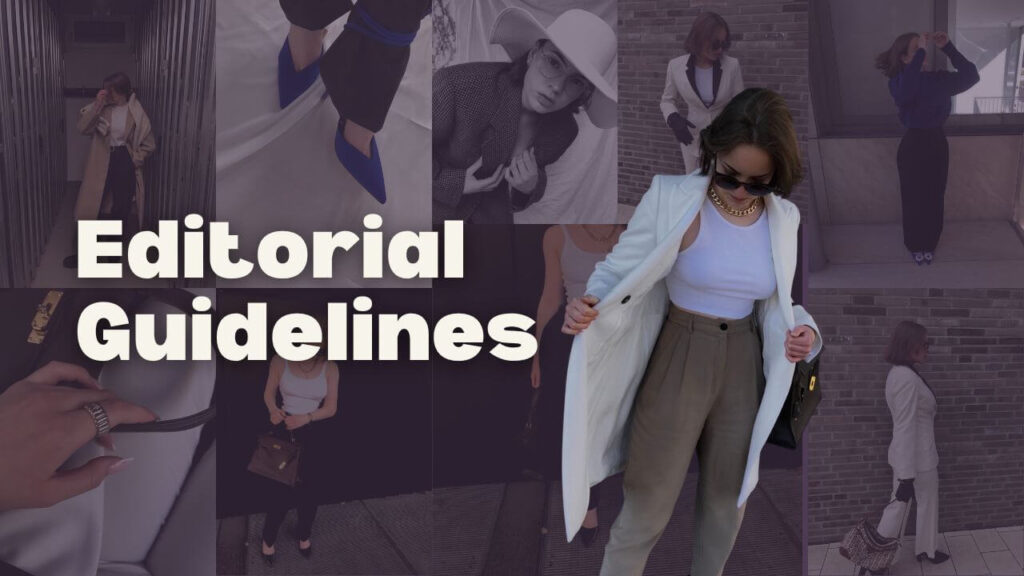
Everything you read here is written and edited by me, Alice.
My biggest priority is to share honest, experience-based guides that you can actually apply in your everyday work life, without overcomplicating things or spending unnecessary money.
What You Can Expect Here
Most of the content, guides and step-by-step recommendations such as my own outfit formulas I publish on Vlaluna are based on real situations, patterns and experiences I’ve personally gone through or observed over the years.
I always try to break things down in a way that is simple, practical and easy to follow, so you can directly apply it.
This includes things like:
- simple outfit formulas you can reuse daily, mix and match easily and without spending much
- work-appropriate styling ideas that still feel like you
- practical ways to feel more confident at work
- lessons and patterns I’ve noticed while working with teams and in different roles
My biggest goal here is always to make things easier for you guys, not more complicated.
My Editorial Approach
Before I publish anything on Vlaluna, I make sure it aligns with a few of my core principles and values.
- Is it actually based on my own experience, results and transformations?
- Is it genuinely useful for the reader?
- Can the reader apply it directly, easily and without having to spend much money (ideally nothing at all)?
- Is it not just entertaining, but truly valuable?
I don’t create content just for the sake of publishing something – if I share something here, it’s because I’ve either experienced it myself, tested it over time, or genuinely believe it adds value.
Real-Life Experience First
Since I’ve worked in different work environments myself, both as an intern in longer internships and as an employer leading multiple teams and conducting dozens of interviews, I want to share those experiences here.
My goal is to pass on what I’ve learned over the years and also what I continue to learn, because this is something I’m still constantly developing and paying attention to.
Especially as a young woman in professional environments, I’ve noticed there are additional dynamics to consider. There are certain situations and nuances that come with that and I openly talk about and share my perspective on here.
At the same time, this is not just for one specific group. I want to share these experiences with employees, both men and women, as well as with other female founders who may be going through similar situations and want to hear how others approach them.
That’s also why it’s so important to me to be as honest, transparent and open as possible.
At the same time, I always try to turn those experiences into clear, practical takeaways that you can actually apply and learn from.
Simplicity Over Perfection
Since I’m an independent publisher and not reliant on constantly placing products or doing sponsorships, it’s very important to me to keep things simple, transparent and honest.
That means I only recommend products or work with brands if I’ve actually tested them myself over a longer period and genuinely feel confident recommending them.
Because of that, you won’t see a lot of placements or sponsorships here. Transparency matters much more to me than anything else.
At the same time, I strongly believe that things don’t need to be complicated. Building a stylish, elegant, timeless work wardrobe that you can mix and match in different ways doesn’t have to be expensive or overwhelming.
It can actually be very simple, especially if you have a system behind it.
And that’s exactly what I share here as well. The outfit formulas and systems I’ve developed and refined over the years are a big part of what Vlaluna is about.
Research and Accuracy
While most content is based on my own experience, I also do research when it helps add useful context.
Whenever I include external information, I:
- reference the original sources
- cross-check information across multiple sources
- make sure everything is accurate and reliable
Images and Visuals
Whenever possible, I use:
- my own photos
- properly licensed images
- or visuals that are clearly credited
If you ever notice something that should be corrected, credited differently or removed, feel free to reach out and I will review it.
Affiliate Links and Partnerships
From time to time, you may see affiliate links or partnerships on Vlaluna. If you choose to purchase something through those links, I may earn a small commission at no extra cost to you.
That said, I am very selective with this.
Updates and Improvements
I regularly review and update my articles to improve clarity, accuracy and usefulness.
If I learn something new, refine an approach or notice that something can be explained better, I update my articles accordingly.
I also take feedback seriously. If you ever share questions, suggestions or ideas, I always do my best to incorporate that as soon as possible.
Contact
You can always reach me at:
alice@vlaluna.com
I always do my best to reply within 24 hours and I genuinely enjoy hearing from you, whether it’s feedback, questions or ideas.