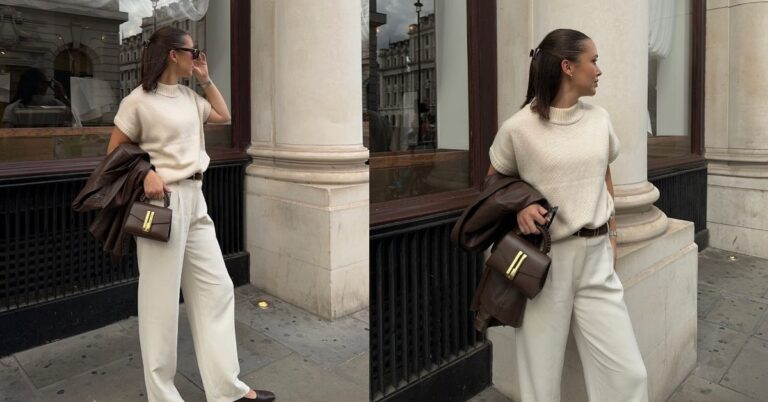
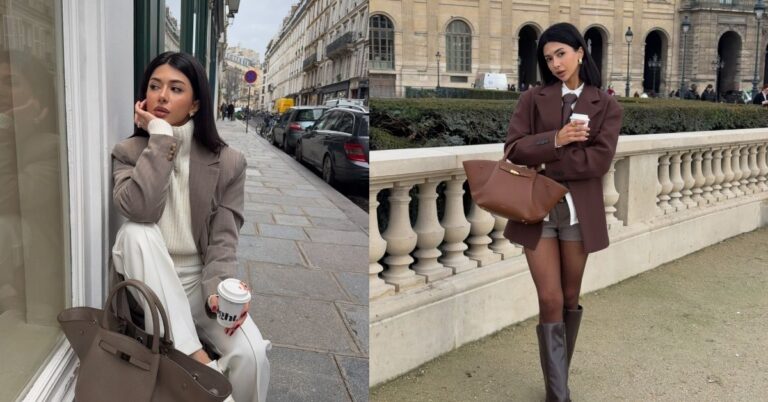
High-Rise vs Mid-Rise Work Pants: Which Is Better (and Why)
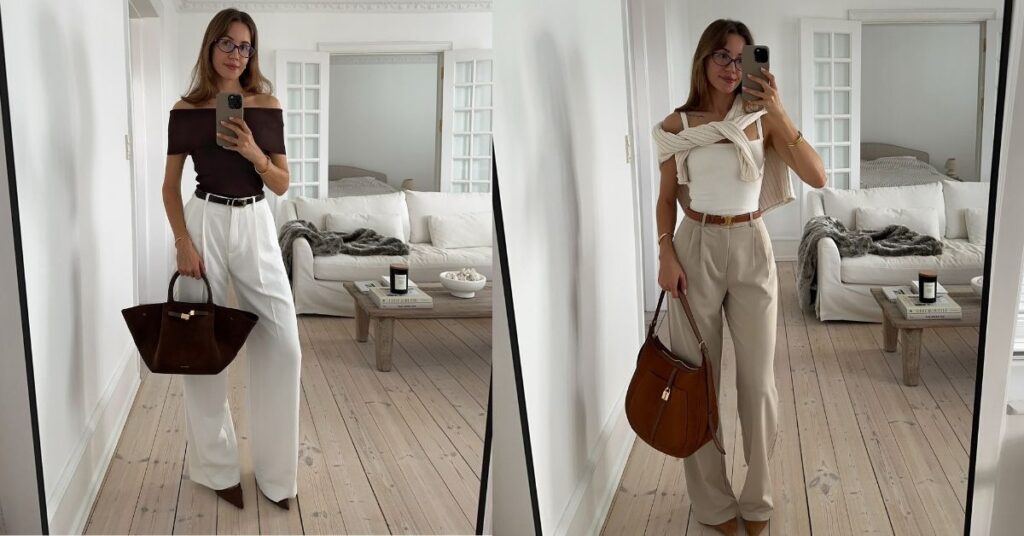
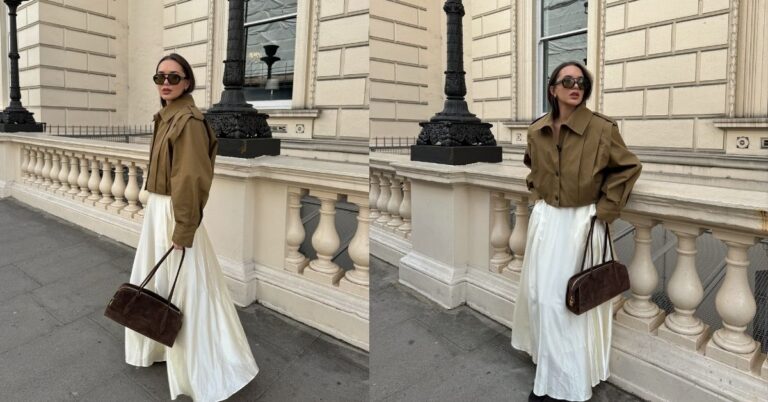
IG: lauralabee
If you have ever tried to look “work appropriate” while also moving through a real day, you already know the problem: modesty is not just about how pants look when you are standing still. It is about what happens when you sit, reach, climb stairs, pick up a box, lean over a desk, or spend eight hours in a waistband that slowly migrates.
That is why “high-rise vs mid-rise” is such a common modesty question. Rise changes where the waistband sits on your torso, which changes how much midriff and lower back is covered, how likely a shirt is to untuck, and how exposed you feel when you bend or sit.
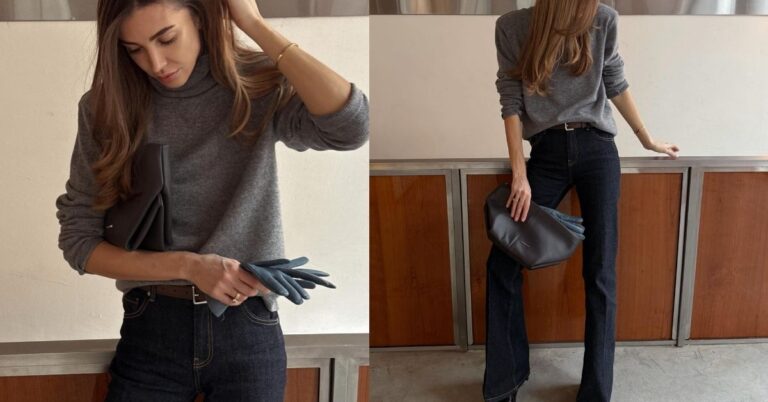
Based on how rise is defined and measured in apparel (crotch seam to top of waistband), high-rise is usually the more modest choice because it sits closer to your natural waist and gives more coverage through the front and back.
But there are real caveats. A high-rise that is too tight, too short in the back rise, or constantly rolling down can be less modest in motion than a stable mid-rise. The goal is not the label. It is coverage that stays put.
Quick answer for skimmers
- High-rise is usually more modest because it covers more of your midriff and lower back, especially when you sit or bend.
- Mid-rise can be just as modest if the pants have enough back rise, do not slide down, and you pair them with tops that have length or structure.
- The “back rise” matters more than people think for avoiding accidental exposure in the rear when sitting or bending.
- Modesty is about minimizing accidental skin or undergarment exposure, not just looking conservative.
- For many workplaces, the practical target is: no midriff, no underwear showing, no constant adjusting. (A lot of dress codes explicitly call out “revealing” clothing as a no-go.)
- High-rise can feel restrictive on some bodies, especially if you sit a lot or carry fullness in the stomach. That comfort trade-off is real.
- Fabric and fit are the quiet deciders: a modest rise in a stable fabric beats a “higher” rise in flimsy, sliding fabric.
- If you are buying online, use the front rise measurement (in inches/cm), not the words “high” or “mid”.
If you only do one thing: do a “sit + reach” test in the fitting room (or at home) and see whether your waistband stays put and your top still covers you.
The decision framework: “If you want X, do Y”
If you want maximum coverage with minimal fuss
Choose high-rise (or “high waist”) and prioritize:
- A waistband that sits at or near your natural waist (not your hip bones).
- Enough back rise so the back does not dip when you sit.
- A fabric with structure (twill, ponte, thicker poly-viscose blends) so it does not slide.
If you want comfort while sitting all day
Often mid-rise wins for comfort, especially if:
- High-rise waistbands dig into your ribs or roll down.
- You are short-waisted and the waistband lands in an awkward spot.
- Your job involves a lot of sitting, driving, or bending at the waist.
If you want modesty but dislike the “high-rise feel”
Go mid-rise with a long back rise (or “contoured waistband”) plus:
- Longer tops, or
- A blazer/cardigan layer that stays down when you move.
This is optional. Skip it if you already dress in longer tops and you never have coverage problems.
What “rise” really means (and why labels lie)
Rise is a measurement: from the crotch seam up to the top of the waistband.
That is why two pants can both be called “high-rise” but feel totally different on your body.
A few details that matter a lot for modesty:
- Front rise affects midriff coverage and how the front sits when you sit down.
- Back rise affects whether the back gaps or dips when you sit or bend.
- Your body rise (your own waist-to-crotch length) is personal. Sewing and measurement guides often measure it sitting down because that is when you need the length.
Here is the key modesty idea: modesty fails happen in motion. Rise controls how much the pants can move before skin or underwear shows.
So… which is more modest?
In most real workdays: high-rise is more modest
High-rise tends to be more modest because it:
- Covers more of the torso (less midriff risk).
- Sits higher on the back, reducing the chance of exposure when bending.
- Gives you more overlap with your top, which matters when shirts shift.
If your workplace dress code includes vague rules like “no revealing clothing,” high-rise just makes compliance easier because you are not relying on perfect posture and perfect shirt placement.
When mid-rise can be equally modest (or even better)
Mid-rise can be just as modest when:
- The back rise is generous and the waistband is stable.
- Your tops are long enough that bending does not expose skin anyway.
- High-rise pants on your body tend to roll down or gap (constant adjusting reads less “modest” than you think, even if no skin shows).
This won’t work if your job involves frequent bending, lifting, or climbing and your tops are short or prone to riding up. In that case, you are asking mid-rise to do a job it is not built for.
The modesty mechanics: what actually causes “oops” moments
Modesty in work pants usually comes down to four risk zones:
- Lower back exposure when bending or squatting
- Usually solved by higher back rise and a waistband that grips without slipping.
- Midriff exposure when reaching or when your top shifts
- High-rise gives you more vertical overlap with your top.
- Undergarment visibility (waistband peeking or fabric going sheer under office lighting)
- Rise helps a bit, but fabric opacity matters more.
- Front fit issues (pulling, tightness, or discomfort that makes you fidget)
- A rise that is too high for your torso can create pressure and rolling.
Trade-off with no neat solution: the most modest waistband height can also be the most annoying waistband height if it hits your body at a spot that compresses when you sit. Some people simply feel better in mid-rise, and that comfort can matter more than an extra inch of coverage.
How to choose in 3 minutes (fitting room or at home)
If you already have a routine that works, you can skip this section and go straight to the variations below.
Step 1: Identify where the waistband lands
- High-rise usually sits at or near your natural waist.
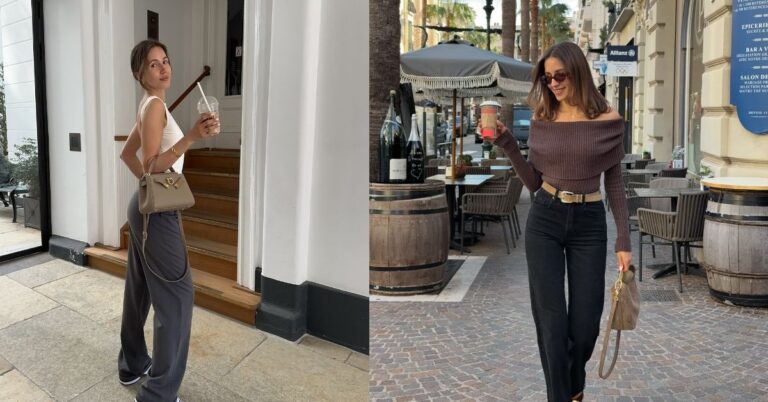
- Mid-rise usually sits below the navel area.
Do not overthink the label. Look in the mirror and note: does it sit on waist, stomach, or hips?
Step 2: Do the “sit + reach + bend” test
- Sit like you would at work.
- Reach forward like you are grabbing something from a desk.
- Bend slightly like you are picking up a bag.
Check:
- Does the back dip?
- Do you feel exposed?
- Do you need to tug your top down?
Step 3: Check back rise stability
A simple clue: if the back waistband is already sitting lower than the front when you stand, it will usually get worse when you sit.
Brands sometimes publish both front and back rise, but if they do not, your body test is the truth.
Step 4: Confirm fabric and opacity
Hold the fabric up to light. If it turns see-through, rise will not save you.
Common mistakes (and easy fixes)
- Buying “high-rise” that is only high in the front
Fix: prioritize back rise stability, not just front coverage. - Assuming tighter equals more modest
Fix: modesty usually improves with clean lines and no pulling. Tight fabric can outline more than you intend. - Ignoring shirt behavior
Fix: if your tops ride up, either go higher rise or add a layer that stays down. - Choosing a rise that makes you fidget all day
Fix: modesty includes ease. If you are constantly adjusting, try mid-rise with better structure. - Not measuring rise when shopping online
Fix: look for the rise in inches/cm, because “high” and “mid” vary wildly.
Variations: what to pick based on your life and job
Best for maximum modesty (and lots of movement)
High-rise, structured fabric, higher back rise, plus belt loops or a stable waistband.
Best for desk-heavy jobs
Mid-rise or high-rise ponte, depending on comfort. If you sit all day, a slightly lower waistband can feel calmer.
Best if you tuck in shirts
High-rise usually looks cleaner and keeps the tuck stable. It also reduces the chance of a gap when you move.
Best if you wear untucked tops
Mid-rise can be enough, as long as your tops are long and do not float up when you reach.
Best for curvier hips and a smaller waist
Look for contoured waistbands (higher in the back, shaped at the waist). This is where high-rise can be fantastic, but only if the waistband does not gape.
Best for “I want modest but I hate compression”
Try mid-rise with a slightly wider waistband and softer structure. Some “paperbag” styles can be modest, but watch bulk under tops.
Best for uniforms or active roles
Prioritize stay-put waistbands and coverage in motion. If you are frequently bending, high-rise often makes life easier.
Just a little note - some of the links on here may be affiliate links, which means I might earn a small commission if you decide to shop through them (at no extra cost to you!). I only post content which I'm truly enthusiastic about and would suggest to others.
And as you know, I seriously love seeing your takes on the looks and ideas on here - that means the world to me! If you recreate something, please share it here in the comments or feel free to send me a pic. I'm always excited to meet y'all! ✨🤍
Xoxo Alice