How to Stop Buying Clothes You Never Wear (And Save Money)

You probably own clothes you like, yet you still buy more and feel like you “have nothing to wear.” That usually happens when shopping becomes a quick fix for stress, boredom, or a vague sense that your wardrobe doesn’t work. Many people blame willpower, but the real issue often comes from unclear style goals and purchases that don’t match the rest of their closet.
You don’t need to stop shopping forever. You need a system that helps you recognize what actually earns a spot in your wardrobe. Most people focus on price or trends and skip the questions that prevent regret: Does it fit your real life? Can you style it three ways? Does it match your core colors?
This article gives you practical strategies to break the cycle, from setting “buy rules” to tracking what you truly wear. You’ll learn how to spot impulse triggers, create a short essentials list, and shop with a plan that saves money and reduces clutter. You’ll end up with fewer purchases and better outfits.
How to Stop Buying Clothes You Never Wear (And Save Money)
Part 1: The Psychology Behind Fashion Marketing
I asked ChatGPT how fashion marketing makes us want to buy more, and what stood out to me was emotion – how brands tap into our emotions to sell products.
Aspirational Branding: Fashion marketing often portrays a certain lifestyle, making us aspire to be part of it. By buying the products, we feel like we’re buying into that desired identity. Just like those women in the peasant dresses! This is where our “fantasy self” comes in – and it can really catch us out if we’re too invested in it.
Other emotions that brands evoke? Happiness, confidence, excitement. When you see products being advertised and feel these emotions, you associate feeling that way WITH that product – which gives you a stronger desire to buy it.
The 24-Hour Sale Example: A few months ago, I saw an ad for laser hair removal – 60% off but only for 24 hours! I instantly felt like I needed to buy it. Did I plan on getting laser hair removal? NO! But I couldn’t believe the discount and how much money I’d be “saving.” I put it in my cart even though I hardly had the money in my bank account. You’re hearing how crazy this is, right? It’s not saving money if you weren’t going to spend that money in the first place!
FOMO (Fear of Missing Out): Brands use limited edition items, exclusive collections, and flash sales to encourage purchases before we miss out. Now, I’m not completely against these sales – it’s awesome if we can save money on an item we’ve been thinking about and planning. But that’s the difference! It needs to be something we’ve actually thought about and planned, not an impulse buy.
Part 2: Understanding Your Style
Four years ago, just before I started my slow fashion journey, I had TWO full wardrobes of clothes and still felt like I had nothing to wear. So what did I do? Shop more to fix the problem! It wasn’t until I slowed down and made a plan that I started to really understand my style.
A Note on Secondhand Shopping: I love secondhand shopping, but it can be a slippery slope! It can play on those FOMO emotions because there’s usually only one item in your size. If you don’t get it now, you might miss out! If you feel yourself developing an unhealthy relationship with secondhand shopping, give yourself a little break.
Four Areas to Focus On
1. Lifestyle Assessment: This is probably THE most important thing to avoid buying into your fantasy self! Consider your daily activities, your job, the weather, your passions. Break it up into approximate percentages of how you spend your time.
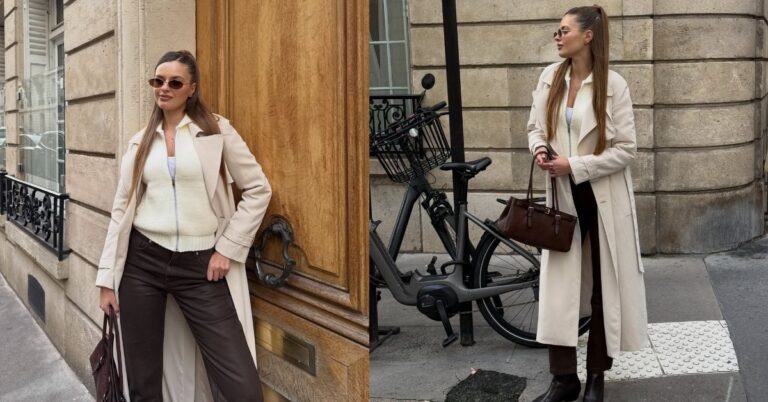
There’s a difference between aspiring to a certain level in life versus me aspiring to be a French girl walking through cobblestone streets drinking cappuccinos – that’s just SO different from my reality with a toddler in Australia! I have to make sure I’m not buying too much into that fantasy self.
Questions to ask: Are there activities I currently struggle to dress for? Are there activities I have too many clothes for? (Cream sweaters, I’m looking at you! They’re my kryptonite – I just keep buying cream knits!)
2. Balance: Creating balanced outfits is a great way to feel confident! Think about silhouettes – understanding what shapes you prefer is HUGE for curating a wardrobe you love. For example, my hips are narrow compared to my shoulders, so I love shapes that emphasize my hips to create balance.
3. Color: What helped me most was making a physical color palette for myself! Start by defining your two main colors – colors you already love and wear a lot. Then add in your favorite neutrals that go with those colors. You can use the color wheel to see what colors might work together.
It’s not essential to have a color palette, but it’s really helped me stop buying the wrong colors that won’t go with anything else in my wardrobe!
4. Define Your Personal Style Character: This is a description of your ideal style using 3-4 style words plus your dominant colors and lifestyle elements. Here’s mine: “She is classic, casual, and comfortable with a minimalistic undone aesthetic and a touch of feminine French girl. Neutral tones dominate with additional shades of blue and yellow. Her style is easygoing yet put together to get through busy days with a toddler.”
Bonus Tips
Understand Your Bad Shopping Habits: What social media platforms encourage you to shop rather than inspire? Which influencers? For me, Pinterest is massive inspiration, but if I scroll unconsciously, I get this feeling of lack – like my wardrobe doesn’t have enough. So I’m mindful about why I’m going on Pinterest!
Other common reasons we shop unconsciously? Retail therapy and boredom. When I notice myself opening shopping apps when bored, I do anything to snap out of it – jump up, do star jumps, push-ups, play loud music. It takes time to make this awareness a habit, but it’s like working a muscle at the gym!
The Style Slip-Up Diary: This is my newest implementation! It’s where I write down all my wardrobe mistakes. Next time you declutter, ask yourself WHY you’re getting rid of certain items. If it’s unworn, get to the bottom of why you didn’t wear it. Write it down so you can learn from it!
The idea is that every time you update this diary, you reread it and cement those mistakes in your mind so you’re less likely to make them again.
The Irony
Here’s the thing: one of my favorite ways to learn about my style is making mistakes! Yes, this whole article is about making LESS mistakes, but the irony is that making mistakes teaches us SO much. As you work on your personal style, don’t ignore the mistakes you make along the way – they’re your best teachers!
So go ahead: start that wardrobe wish list, create your style slip-up diary, and get really honest about your lifestyle versus your fantasy self. Your wallet (and your closet) will thank you!
Just a little note - some of the links on here may be affiliate links, which means I might earn a small commission if you decide to shop through them (at no extra cost to you!). I only post content which I'm truly enthusiastic about and would suggest to others.
And as you know, I seriously love seeing your takes on the looks and ideas on here - that means the world to me! If you recreate something, please share it here in the comments or feel free to send me a pic. I'm always excited to meet y'all! ✨🤍
Xoxo Alice