How to Look Put-Together on Busy Mornings (Even In 10 Min.)
IG: marine_diet
Okay so let us be real for a second. You know those mornings where you wake up, look at your phone, and your heart literally drops into your stomach? Yeah. Me too. We have all been there and it is honestly the worst feeling in the entire world. You blink, the sun is way too bright, and suddenly you have exactly ten minutes to leave the house or you are going to be super late.
I feel like as a society we pretend we all wake up at 5 AM, do a quick pilates flow, drink green juice, and peacefully get dressed. But like… who actually does that every single day? Definitely not me.
Just last Tuesday, I had one of those mornings. My alarm decided to just not make any sound. Or maybe I turned it off in my sleep, which me and my roommate both know is a highly likely scenario. Anyway, I woke up, saw the time, and literally jumped out of bed so fast I tripped over my own slippers. It was just me, my cat loudly judging me, and pure, unfiltered panic. I threw on a sweater, ran out the door, grabbed a coffee downstairs, and only realized when I sat down at my desk that my sweater was completely inside out. The tag was just hanging out by my neck for the whole world to see. It was tragic.
So grab a coffee (or matcha, if that is your thing) and let us chat about how to actually look put-together when you are running ridiculously late.
The “Uniform” is Your Best Friend
When you have zero time, you absolutely cannot stand in front of your closet waiting for inspiration to strike. It is not going to happen. Your brain is barely awake, so do not make it do math.
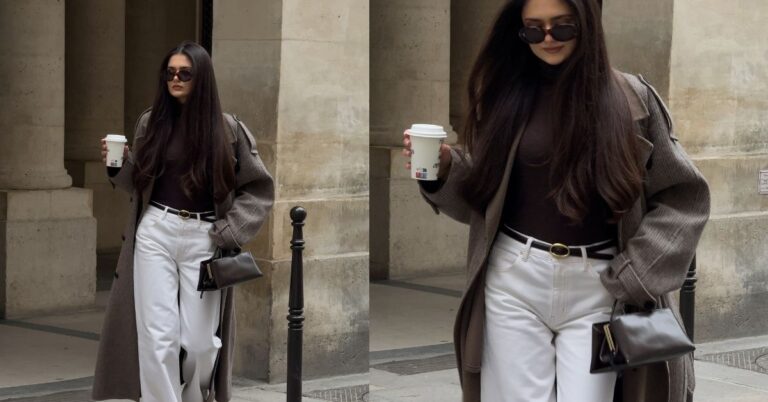
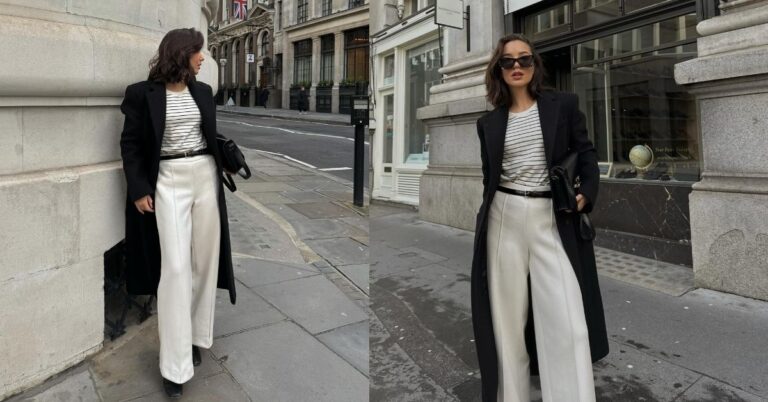
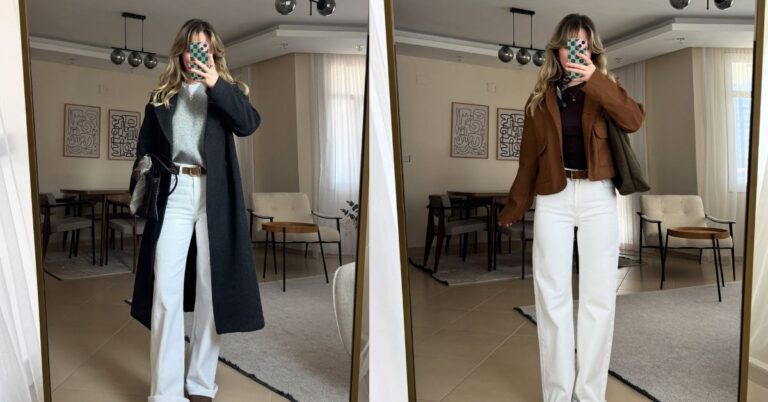
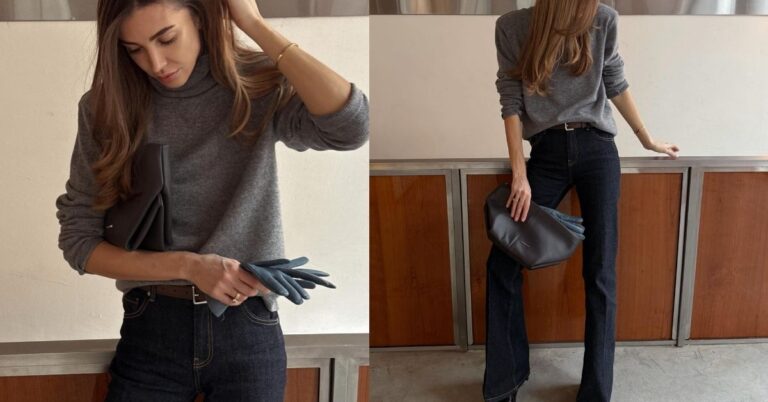
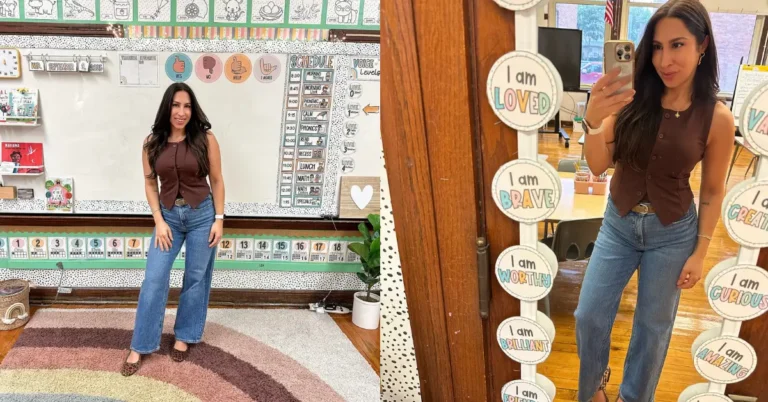
This is where the outfit uniform comes in. You need to figure out a formula that you know looks good on your specific body type and stick to it on busy days. For me, it is high-waisted wide-leg trousers and a fitted basic tee or a tight long-sleeve. That is it. It looks chic, it is incredibly comfortable, and I literally do not have to think about it.
Keep your colors simple. Black, white, grey, beige, or navy. If you wear monochromatic outfits – like all black or varying shades of cream – you instantly look expensive. There is just something about a tonal outfit that screams “I have my life together” even if you were asleep 15 minutes ago. You just grab the two pieces, put them on, and you are done. No color matching required.
The 3-Minute Face (Because Less is More)
Okay, we need to talk about makeup. If you are rushing, do not try to do a full foundation routine. Just do not do it. You will end up with unblended streaks and it will just stress you out more. Instead, we are doing strategic concealing.
I learned this the hard way back in my sophomore year of college. I was late for a huge presentation, and for some reason, I thought I still had time to do a winged eyeliner. Why? I have no idea. My hands were shaking from the stress and too much iced coffee. I ended up with one thick wing, one thin wing, tried to fix it, and basically looked like a raccoon. I had to wipe it all off with a rough paper towel from the bathroom and my eyes were red the whole time I presented. Never again.
Now, my rushed makeup is literally three steps. First, grab a hydrating concealer and dot it under your eyes, around your nose, and on any weird red spots. Blend it out with your fingers. The warmth from your fingers melts it into your skin super fast.
Second, brush up your eyebrows with a tinted brow gel. Brows frame your entire face. If your brows look done, people just assume the rest of you is done too. It is like magic.
Third, take a cream blush and just dab it on your cheeks and a tiny bit on your lips. It brings life back to your face so you do not look like a tired ghost. Boom. You look fresh, awake, and glowing.
Hack Your Hair Situation
Hair is usually the biggest time-waster in the morning. If you wake up and your hair is a disaster, do not try to heat style it. You just do not have the time.
If your hair is greasy, dry shampoo is obvious. But the real trick is putting it on the night before. I know, we are talking about rushed mornings, but if you even have a slight feeling you might oversleep, spray that stuff in your roots before bed. You will wake up with crazy volume and zero grease.
But let us say it is too late for that. Enter: the sleek bun. This is the ultimate “I am a chic European model off-duty” look, and it takes 60 seconds. Brush all your hair back. If it is greasy, even better, because it helps it lay flat. Put it in a low ponytail, twist it into a bun, and pin it. Then take a tiny bit of hair oil or even regular hand lotion if you are desperate – yes, I have used hand lotion in my car – and smooth down any flyaways. It completely transforms a bad hair day into a purposeful, elevated style.
Accessorize to Deceive
This is my favorite trick ever. You can be wearing the most basic, boring outfit in the world, but if you add the right accessories, people think you actually tried.
A few months ago, I had to run to the grocery store on a Sunday morning. I was basically a zombie. I was wearing baggy grey sweatpants and an oversized graphic tee that I slept in. But right before I walked out, I threw on these chunky gold hoop earrings and a cool pair of sunglasses. I ran into a girl I went to high school with in the produce aisle, and she literally stopped me to say, “Oh my god, I love your aesthetic, you always look so effortless.” I was dying inside because I hadn’t even brushed my teeth yet, but I just smiled and said thanks. The gold hoops did 100% of the heavy lifting.
So keep a pair of classic gold or silver hoops near your keys. Throw on a couple of rings or a simple chain necklace. And if you are leaving the house without makeup, pop on some stylish sunglasses. It is the ultimate shield. Nobody needs to know what your under-eyes look like today.
The Power of a Good Coat and Clean Shoes
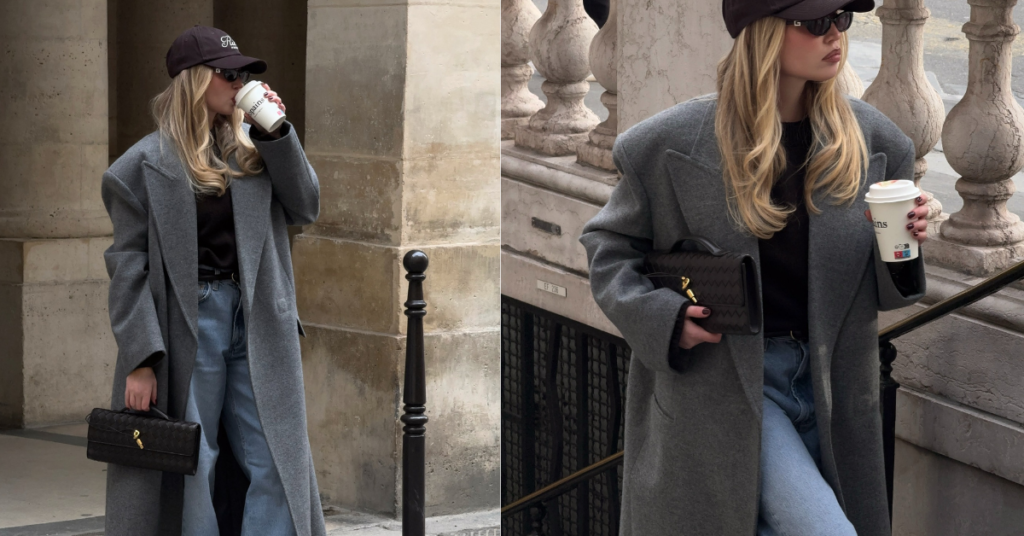
If it is cold out, you are in luck. A long, structured coat hides a multitude of sins. You could literally be wearing your pajama top underneath, but if you have a beautiful camel coat or a sharp black trench over it, you instantly look like a boss. Invest in one really good piece of outerwear. It pays for itself in panic-mornings alone.
Also, pay attention to your shoes. It is such a small thing, but if your shoes are super scuffed and dirty, it drags down the whole look. Keep a pack of wet wipes by your door and just give your white sneakers a quick wipe down before you head out. Clean shoes make you look sharp and intentional.
One Tiny Thing The Night Before
Look, I am not going to sit here and tell you to meal prep for three hours every Sunday and lay out your matching underwear sets for the week. That is not my vibe and it is probably not yours either.
But doing just one tiny thing the night before makes a massive difference. Just one. For me, it is making sure my work bag has my laptop, keys, and lip balm inside. That is it. I do not pick out my clothes, but knowing I can just grab my bag and run takes away so much anxiety.
If you are a coffee person, set the timer on your machine.
Just a little note - some of the links on here may be affiliate links, which means I might earn a small commission if you decide to shop through them (at no extra cost to you!). I only post content which I'm truly enthusiastic about and would suggest to others.
And as you know, I seriously love seeing your takes on the looks and ideas on here - that means the world to me! If you recreate something, please share it here in the comments or feel free to send me a pic. I'm always excited to meet y'all! ✨🤍
Xoxo Alice