Dress for Different Work Cultures (Startup vs Corporate)

IG: marie.helenedbs
Literally, we need to sit down and discuss the absolute panic that sets in the night before starting a new job. You know exactly that feeling, right?
You are standing in front of your closet at 11 PM. There is a pile of clothes on your bed that looks like a small mountain. And you have zero idea what to put on your body. Honestly it is the worst. Figuring out work culture and what to wear is like trying to read a foreign language sometimes. Are we doing blazers? Are we doing sneakers? Will they judge my ripped jeans? It is a whole lot of stress that we just do not need.
I have been on both sides of this crazy spectrum. I have done the super stiff corporate life and I’m currently living that chaotic startup life. And let me tell you, the unwritten rules are insane.
My First Corporate Disaster
Let me take you back a few years to my very first “real” corporate job out of college. I was 22, completely terrified, and I thought I needed to look like someone from a 90s law movie. I spent like half my first paycheck on this matching gray pantsuit.
Not a cute, trendy oversized suit. Oh no. It was this stiff, terrible material that made a swishing sound when I walked.
I walked into the office on a Tuesday morning feeling so professional. But the moment I stepped into the elevator, I realized I messed up. Everyone was wearing nice clothes, but they weren’t wearing matching suits. The woman next to me had on a beautiful silk blouse and tailored trousers. The guy across from me wore a nice sweater over a button-down. I literally looked like a junior detective. It was so embarrassing. My boss even made a little joke like “wow, dressed for court today huh?” I wanted the floor to swallow me whole.
That is the thing about corporate dressing.
Nailing the Corporate Vibe
So if you are heading into a traditional corporate environment like finance, law, or a big agency, you need to play by their rules.
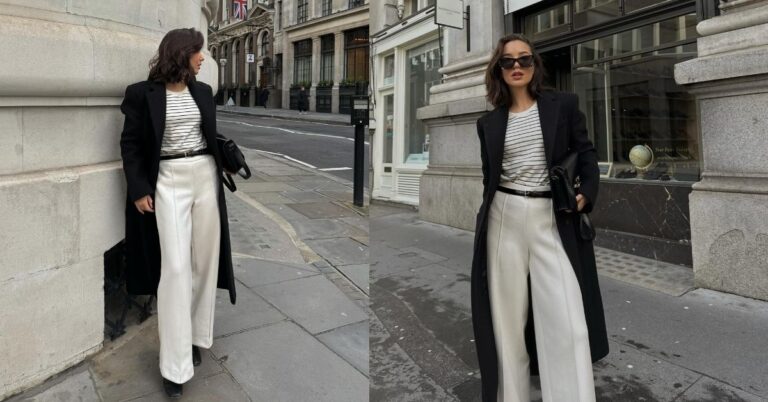
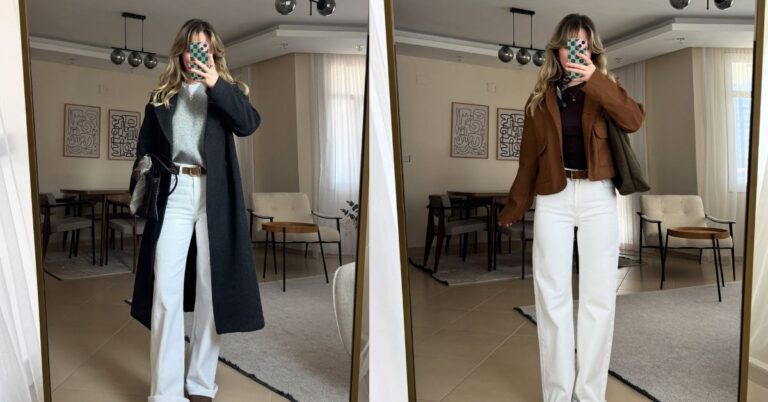
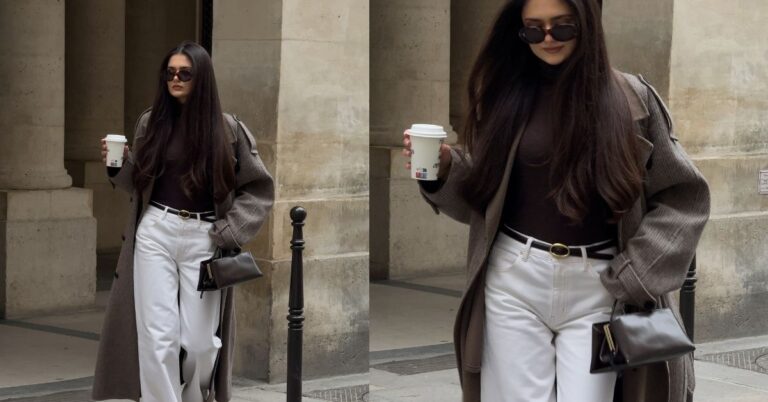
First of all, invest in the basics. I am talking about pieces that fit you perfectly. A good pair of tailored trousers is going to be your absolute best friend.
Don’t even bother with super high heels. Trust me on this.
- The Blazer Hack: Find one really good, slightly oversized black or camel blazer. You can throw it over a simple t-shirt and suddenly you look like you have your whole life together.
- Keep Colors Neutral: When in doubt, stick to navy, black, beige, and white. You can add a pop of color with a bag or a scarf. But neon pink is probably a no-go for the boardroom.
- The Rule of Thirds: Always have a third piece. Pants, blouse, and then a cardigan or a jacket. It finishes the outfit so nicely.
The goal here is to look intentional. Your clothes shouldn’t be wrinkled, your hair should look clean, and you want to look like you respect the space. It sounds a bit rigid, but once you build a capsule wardrobe for corporate, getting dressed in the morning takes like five minutes.
Then I Jumped Ship to a Tech Startup
Okay so fast forward a couple of years. I was so burned out from the corporate world and I decided to take a job at a cool, fast-growing tech startup. I was so excited for the casual dress code. But honestly? Casual is somehow harder than formal!
I will never forget my first week there. I wanted to look nice but still casual, so I wore dark wash jeans, a nice blouse, and little ankle boots. I walked into the open-plan office – which by the way was basically just a giant warehouse with exposed brick and free kombucha on tap.
Guess what the CEO was wearing? A faded graphic tee, basketball shorts, and Crocs. Literally Crocs. I felt so overdressed I wanted to cry.
My coworker Sarah – who is now my absolute best friend – leaned over and whispered, “you look amazing, but you’re making the rest of us look like trash.” We laughed so hard, but it taught me a huge lesson. In a startup, overdressing can actually make you stand out in a bad way. It can make you look like you don’t “get” the culture.
Decoding “Startup Casual”
Startup culture is all about being comfortable so you can work crazy hours and build cool stuff. But you still want to look like you care, you know? You don’t want to look like you just rolled out of bed, even if you did.
The secret code here is “elevated basics”. You want to look effortlessly cool.
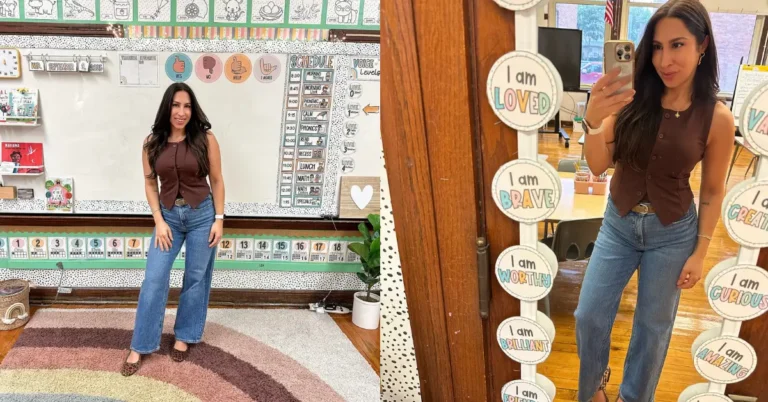
Jeans are going to be your daily uniform. But leave the super distressed, ripped-to-shreds jeans for the weekend. A nice vintage-wash straight leg jean is perfect. Pair that with a high-quality plain t-shirt. Honestly, spending a little extra on t-shirts that don’t lose their shape after one wash is a total game changer.
And let’s talk about shoes. Sneakers are basically mandatory. But I am not talking about your muddy gym shoes. Get a fresh pair of white leather sneakers or some cool retro New Balances. They go with everything and keep you comfortable when you’re standing at your standing desk all day.
- Layers are Everything: Startups love air conditioning. It is always freezing. A cool oversized hoodie or a chunky cardigan is a must-have.
- Express Yourself: This is where you can actually show your personality. Funky jewelry, cool graphic tees, weird socks. People love that stuff in startups.
- The “Zoom Shirt”: Keep one nice button-up shirt or sweater draped over the back of your chair. That way, if you suddenly have a video call with a big client, you can throw it on over your vintage band tee and look instantly professional.
The Ultimate Interview Trick (When You Have No Idea)
So what happens when you are interviewing and you have absolutely no clue what the vibe is? This is the scariest part.
I have this trick that has never failed me. It is my foolproof, perfectly balanced interview outfit. Are you ready for it? Because this is golden.
I wear a pair of really nice, tailored black trousers. But instead of a stiff button-down shirt, I wear a high-quality knit turtleneck or a silk cami. And then I layer it with a slightly relaxed blazer. Not a stiff corporate one, but something a bit softer. For shoes, I go with a clean, pointed-toe flat or a very low, sleek boot.
Why does this work so well? Let me tell you.
If you walk into a super formal office, the trousers and blazer keep you looking sharp and respectful. You won’t look underdressed. But if you walk into a startup where everyone is in jeans, the relaxed fit and the knit top make you look approachable. You don’t look like a stuffy corporate robot. You just look like someone with really good style.
I actually used this exact outfit when I interviewed for my current job. The hiring manager was wearing a hoodie, and I was in my soft blazer. He actually complimented my outfit and said I looked “put together but chill.” Best compliment ever!
Just a little note - some of the links on here may be affiliate links, which means I might earn a small commission if you decide to shop through them (at no extra cost to you!). I only post content which I'm truly enthusiastic about and would suggest to others.
And as you know, I seriously love seeing your takes on the looks and ideas on here - that means the world to me! If you recreate something, please share it here in the comments or feel free to send me a pic. I'm always excited to meet y'all! ✨🤍
Xoxo Alice