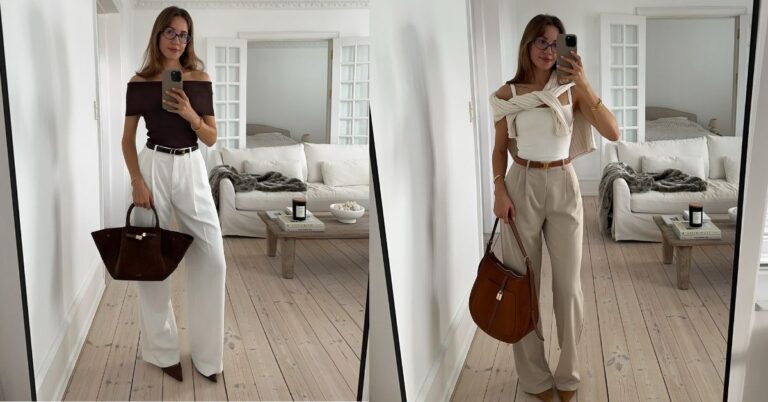
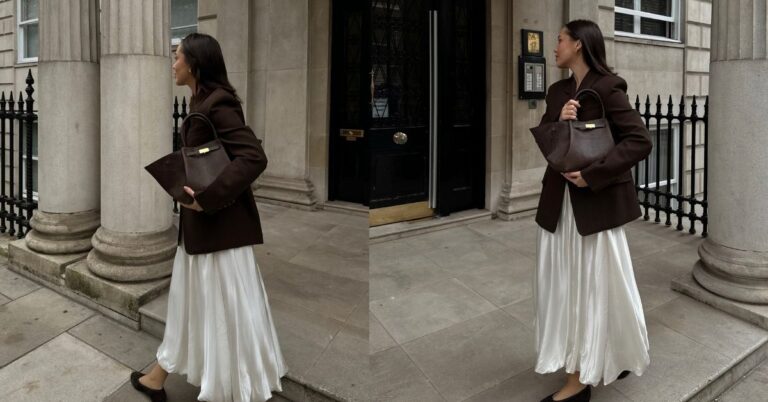
My Full Skirt Guide for Work: Length, Slits, Tights, Shoes
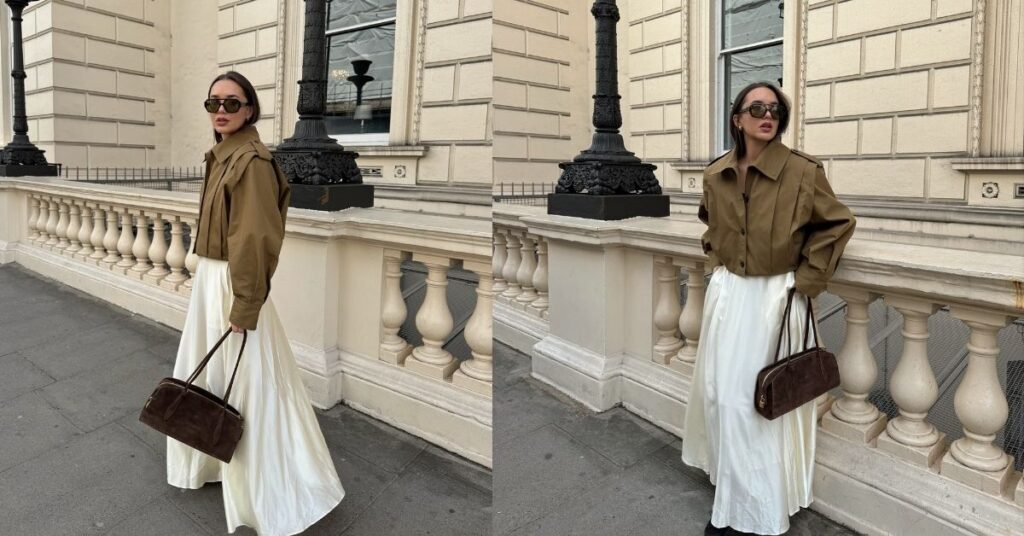
IG: fleurraffan
You know that feeling when you wake up on a Tuesday, stare into the abyss of your closet, and just absolutely cannot deal with the thought of wearing pants? Same. Honestly I am so over trousers some days. But then the morning panic sets in. You pull out a skirt and suddenly you’re asking yourself a million questions. Is this too short for the office? Does this slit make me look like I’m heading to a club instead of a 10 AM marketing sync? What shoes even go with this without making my legs look super weird?
We have all been there. It is a total struggle to figure out the exact rules for workwear these days, especially since office dress codes are so all over the place right now.
I feel like nobody actually teaches us this stuff. We just kind of have to figure it out through trial and error. And let me tell you, I have made so many errors. So I decided to sit down and write out my ultimate, no-nonsense guide to wearing skirts to work. I want you to be able to just throw on an outfit and feel completely confident walking into that office.
1. The Length Dilemma
Okay let’s start with the most stressful part – the length. This is usually where things go wrong first. A skirt can look perfectly fine when you’re checking yourself out in your bedroom mirror, but the second you get to work, it’s a whole different story.
So get this. Back when I was 22 and at my very first real corporate job, I bought this incredibly cute, high-waisted pencil skirt. I felt so professional. Like a total boss. Standing up, it hit right above my knee. Perfect, right? Well, I had a one-on-one meeting with my manager in his office. I sat down in one of those low, squishy guest chairs, and the skirt immediately rode up to what felt like my actual hip bone. I spent the entire 45-minute meeting awkwardly tugging at the hem, sweating profusely, and crossing my legs so tight they went numb. I literally couldn’t even focus on what he was saying about my quarterly goals cause I was so stressed about flashing the entire HR department.
Lesson learned! Always do the “sit test” before you leave the house. Here is my breakdown of lengths:
- The Midi: This is your safest, most reliable best friend. It hits somewhere between the bottom of your knee and the middle of your calf. You literally never have to worry about pulling it down. Plus it looks insanely chic right now.
- Knee-Length: The classic. It works for literally every office environment. Just make sure it actually hits the top of your knee when you stand.
- The Mini: Proceed with caution. Can you wear a mini to work? Honestly, maybe. It totally depends on your office vibe. If you work in a creative field, you can pull off a thicker material mini skirt with totally opaque tights and flat shoes. But if you work in law or finance, just skip it. It’s not worth the stress.
2. Slits – How High is Too High?
Slits are tricky because they are designed to give you mobility, but they can betray you so fast. You want to be able to walk up the subway stairs without waddling like a penguin, but you also don’t want to show off your entire thigh during a presentation.
A back slit is usually the standard for pencil skirts and it’s totally fine. Just make sure it doesn’t go higher than the back of your knee. Side slits are super pretty on midi skirts, but keep an eye on how they open up when you walk fast.
Front slits though? Those are the tricky ones. I have a funny story about this actually. Last fall I was wearing this gorgeous wrap midi skirt. It was a windy Tuesday and I was running late. I speed-walked right over a subway grate on 4th street just as a train went by underneath. A massive gust of wind hit me, the front slit flew open, and I basically gave the local barista an absolute show. I had to grab my skirt and do this weird crouch-walk until the wind died down. It was so embarrassing.
If you have a wrap skirt or a front slit, my biggest secret is safety pins. I always keep a tiny safety pin pinned from the inside just where I want the slit to stop opening. Nobody can see it, and it gives you total peace of mind. Try doing this before your next windy commute, you will thank me later.
3. Let’s Talk Tights
Tights are the unsung heroes of the office wardrobe. They totally change the vibe of a skirt and they are your best weapon for making shorter skirts work-appropriate.
Opaque black tights are the absolute holy grail. I buy them in bulk every October. If you have a skirt that feels just a tiny bit too short, throw on 80-denier black tights and suddenly it’s totally fine. It covers everything and makes your legs look super sleek.
If you want a bare-legged look but your office is freezing or you just want a bit of a filter for your legs, go for a good quality skin-tone tight. Just make sure you spend a little time finding a shade that actually matches your legs, otherwise it looks really artificial. Sheer black tights are also amazing. They give a very soft, elegant look, especially for big meetings where you want to feel a bit more dressed up.
What about patterns? I love them. Polka dots or subtle ribbed tights can make a basic black pencil skirt look so cool. But the rule here is balance. If your tights are loud and doing a lot of the talking, keep the skirt totally simple and solid-colored. You don’t want your outfit to be confusing to look at.
4. The Shoe Situation
Okay, we have the skirt, we have the tights, now what goes on the feet? Shoes can completely ruin the proportions of a skirt if you aren’t careful.
I once tried wearing these chunky ankle boots with a knee-length skirt. In my head, I looked edgy and fashionable. In reality, the boots cut my legs off at the weirdest possible spot. It made me look about two feet shorter and kind of like a stylish pirate. My work bestie pulled me aside and was like, “I love you, but what is happening from the knees down?” We still laugh about it.
So here is the cheat sheet I use now:
- With Midi Skirts: You want shoes that elongate the leg since the skirt hits at a wide part of your calf. Knee-high boots that slide right under the hem of the skirt look absolutely gorgeous. If you want to wear flats, go for a pointed-toe loafer or flat to keep the line going.
- With Knee-Length Skirts: Pumps are classic, obviously. But if you hate heels – and I completely understand if you do – a sleek ballet flat or a smart oxford shoe works great. Just avoid ankle boots that cut off right at the ankle bone, unless you are wearing matching black tights to keep the color continuous.
- Sneakers: Yes, you can wear sneakers with skirts to the office now! But they have to be clean. No dirty gym shoes. A crisp white leather sneaker with a midi skirt and a chunky sweater is my go-to Thursday outfit. It says “I am working hard but I am also comfortable.”
Just a little note - some of the links on here may be affiliate links, which means I might earn a small commission if you decide to shop through them (at no extra cost to you!). I only post content which I'm truly enthusiastic about and would suggest to others.
And as you know, I seriously love seeing your takes on the looks and ideas on here - that means the world to me! If you recreate something, please share it here in the comments or feel free to send me a pic. I'm always excited to meet y'all! ✨🤍
Xoxo Alice