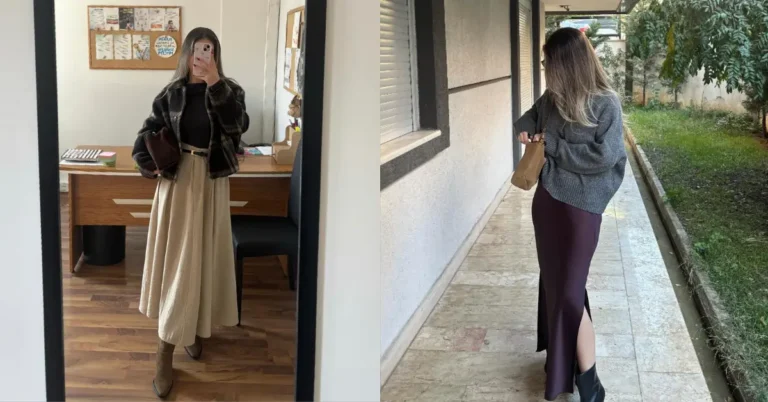
The Modest Minimalist Workwear Wardrobe: Color & My Strategy
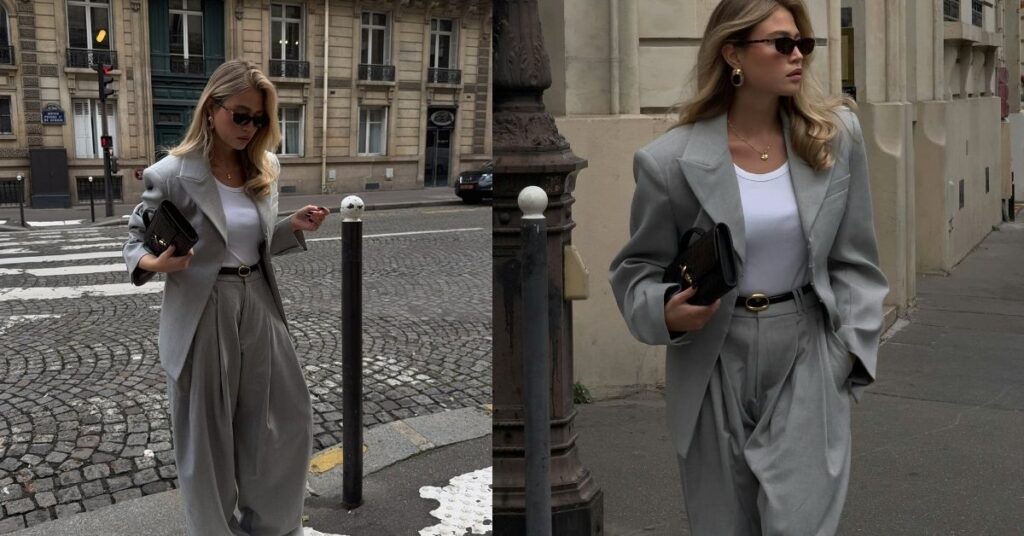
IG: marine_diet
Getting dressed for work gets weirdly hard when you have too many options. You stand in front of a full closet, yet everything feels “off.” The usual response is to buy something new, chase a trend, add another “cute top”… and somehow the problem stays.
A modest minimalist workwear wardrobe fixes the real issue: decision overload and mismatch. You build a small set of pieces that (1) cover what you want covered, (2) feel like you, and (3) combine without effort. Then you repeat outfits on purpose, because repetition is the whole point.
This guide is for you if you want to look polished and modern without spending your mornings negotiating with your closet. We’ll build a practical system around neutrals (so everything mixes), intentional color (so you do not feel bland), and repeatable outfit formulas (so you stop reinventing the wheel every Monday).
Quick answer for skimmers
- Treat your wardrobe like a toolkit: every piece has a job (base, structure, warmth, polish).
- Start with 2 anchor neutrals you love wearing (not what you think you “should” wear).
- Add 1 accent color and 1 “soft neutral” that flatters you.
- Build 3 outfit formulas you can repeat weekly without boredom.
- Prioritize fabrics that look crisp longer: structured cotton, wool blends, viscose/tencel, denim with enough weight.
- Keep 2 shoes that are walkable and office-appropriate, plus 1 “upgrade” pair for meetings.
- Make modesty effortless with layering: button-downs, longline knits, midi skirts, opaque tights, and undershirts.
- Repeat outfits on purpose and rotate one variable (shoe, layer, accessory, color pop).
If you only do one thing: create one “default work uniform” you can wear twice a week (same shape, two color versions).
The decision framework
If you want to get dressed faster
Reduce choices. Decision fatigue is real: the more decisions you make, the worse and slower they tend to get.
If you want to look put-together
Add structure + intention:
- Structure = blazer, crisp button-down, tailored trouser, structured coat
- Intention = consistent palette, clean shoes, simple accessories, tidy silhouette
If you want modest + minimalist
Choose coverage through design, not constant adjusting:
- Higher necklines, thicker fabrics, lined skirts, sleeves you can move in
- Looser cuts that still have shape (pleats, darts, a defined shoulder, a waistband)
Step 1: Build your palette (principle)
A modest minimalist wardrobe lives or dies on color. Not because color is everything, but because mismatched color is what forces extra decisions.
Pick your “core neutrals” (choose 2)
Common options: black, navy, charcoal, chocolate, olive, cream.
Pick the ones you naturally reach for. If you own a lot of black but never feel your best in it, stop forcing it. Your “neutral” should flatter your face and feel easy.
Add a soft neutral (choose 1)
This is the neutral that makes outfits look expensive without trying:
- taupe, stone, warm grey, oatmeal, soft white, espresso
Add an accent color (choose 1)
This is where your personality lives. You use it in tops, scarves, bags, or shoes.
- burgundy, forest green, cobalt, rust, soft blue, plum
Clear trade-off (no solution): the tighter your palette, the easier your mornings get, but the less variety you will feel. Some people find that calming. Some people feel boxed in.
This is optional. Skip it if you hate it: doing a full “color analysis.” It can be helpful as a shortcut, but it is not required. Start with what you already know looks good on you.
Step 2: Think in tools, not “outfits” (principle)
Minimalist wardrobes work when every item has a role:
- Base layers: tees, tanks, long sleeves, turtlenecks
- Structure layers: button-down, blazer, structured cardigan, waistcoat
- Bottoms: trousers, straight jeans, midi skirt
- One-and-done: a dress you can wear to work and also elsewhere
- Outerwear: trench, wool coat, or longline jacket
- Shoes: walkable daily pair + polished pair
- Accessories: belt, bag, simple jewelry, sunglasses
When you see items as tools, you stop buying duplicates that do the same job.
Step 3: Your 15-piece modest minimalist workwear core
You can absolutely own more than 15 things. This is just the core that makes getting dressed easy.
Tops (5)
- Structured white tee (or your best light neutral)
Look for 100% cotton or a heavy cotton blend so it drapes cleanly. - Elevated tee in a dark neutral
Black, navy, charcoal, espresso. This is your “I have no time” top. - Modest layering tank or undershirt
A smooth, fitted tank prevents sheerness and makes necklines feel more secure. - Crisp button-down
Cotton poplin or a structured weave. Slightly oversized is great for modest coverage and layering. - Fine knit top
Think merino, cotton, or a smooth knit that fits under blazers.
Bottoms (4)
- Tailored trouser
Pleated or flat-front, wide-leg or straight. Choose what fits your hips and movement. - Second trouser in your other neutral
This is what makes repetition invisible. - Straight-leg jeans
Office-dependent, of course. Dark wash reads more polished. - Midi skirt (or a second trouser if you never wear skirts)
A-line or slip, ideally lined or in a fabric that does not cling.
Layers (3)
- Blazer
A cheat code for polish. The fit matters more than the brand. If the shoulders fit, a tailor can adjust the rest. - Chunky knit or longline cardigan
This is your “soft structure” layer for modesty and warmth. - Trench or structured coat
Instantly makes basics look intentional.
One-and-done (1)
- Everything dress
A simple midi dress you can dress up or down. If you prefer more coverage, layer a button-down over it like a light jacket.
Shoes (2)
- Walkable daily shoe
Sneaker, loafer, ballet flat, or Mary Jane. Prioritize comfort because you will actually wear it. - Polished shoe
A boot, heel, or dressy flat for meetings and days you want extra authority.
Step 4: Repeat-outfit strategy
Repeating outfits is not a failure. It is a professional strategy.
A lot of people end up wearing a small portion of their wardrobe most of the time anyway, so the goal is to make that “small portion” really good.
Here’s the repeat system that keeps you from getting bored:
Build 3 outfit formulas
Pick silhouettes you like and can repeat.
Formula A (most days):
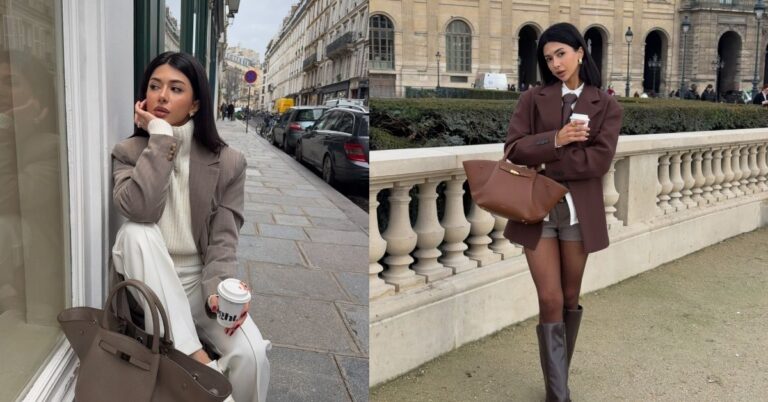
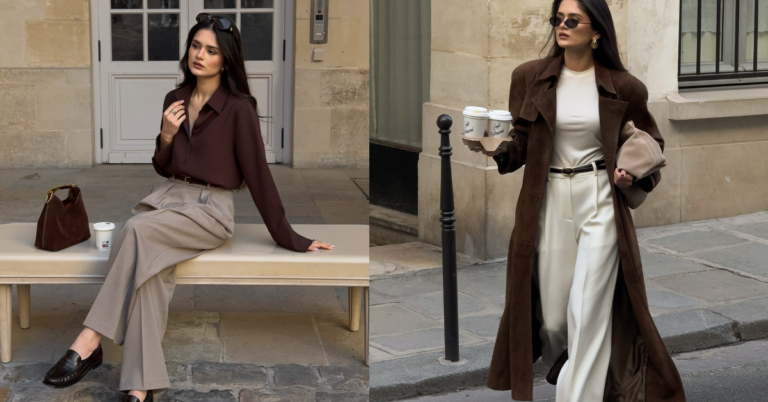
Tailored trouser + fitted knit or tee + blazer + loafers
Formula B (modest and soft):
Midi skirt + fine knit + longline cardigan + boots
Formula C (low effort):
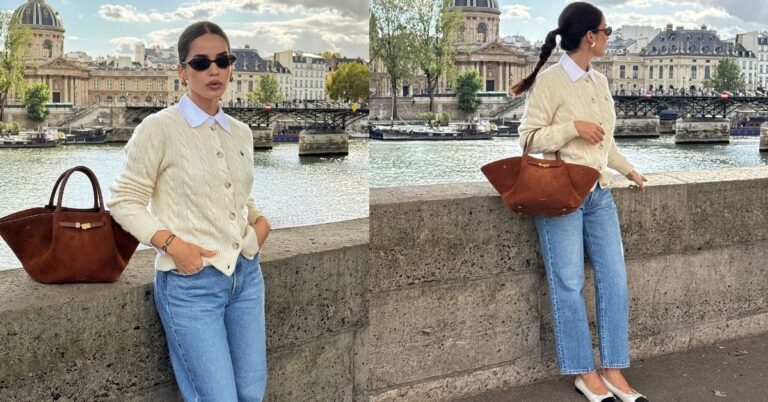
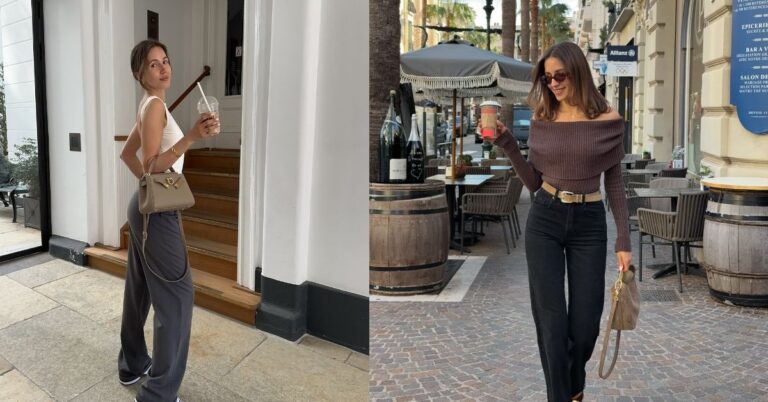
Dark jeans (or trouser) + button-down (tucked or open) + flats
Rotate one variable only
Keep the silhouette the same. Change one thing:
- shoe (loafer vs boot)
- outer layer (blazer vs cardigan)
- accent color (scarf, bag, top)
- texture (denim vs wool trouser)
This keeps your closet simple and your outfits looking “different enough.”
I’ll be honest: I usually tell people to stop chasing variety Monday to Friday. One good default outfit does more for your style than ten “options” you never quite trust.
Step 5: Make it modest without making it fussy (application)
Modesty gets stressful when your clothes require constant monitoring. Build coverage into the outfit.
Easy coverage upgrades
- Swap flimsy tees for heavier cotton.
- Choose button-downs with structure so they do not cling.
- Use an undershirt so you stop tugging at necklines.
- Pick skirts and dresses with lining or wear a slip.
- Wear opaque tights in cooler months for comfort and polish.
This won’t work if your office is extremely hot and you also need lots of layering for modesty. In that case, lean harder on breathable fabrics and fewer layers (for example: a structured, higher-neck sleeveless top in a breathable fabric, plus one light layer you can remove). Breathability matters more than “having the perfect blazer” on those days.
Step 6: Fabric choices that keep you looking polished longer
If you want a wardrobe that repeats well, fabric matters because it controls drape, odor, wrinkles, and how fast things look tired.
- Natural fibers like wool and cotton can be more odor-resistant than polyester, and research reviews note stronger odor retention issues with polyester compared to cotton and wool.
- Knits can pill over time (even nice ones), and a fabric shaver can refresh them quickly.
Practical rule: buy fewer pieces, but in fabrics that stay presentable after real life (sitting, commuting, washing).
Options by lifestyle (limitations and variations)
If you work in a formal office
- 2 trousers, 1 skirt, 1 blazer, 1 coat
- keep sneakers for commute, change at the desk if needed
If you work in business casual
- trousers + dark jeans rotation
- structured cardigan can replace blazer
If you wear hijab or prefer full coverage
- prioritize longline layers, midi lengths, and sleeves you can move in
- keep a “coverage base layer” section so you are not hunting for the right under-piece
If you hate shopping
- choose your palette first
- replace only the most worn item each season
- do not “browse.” Shop with a list.
If your body fluctuates
- keep 1 trouser with an adjustable waist or a forgiving cut
- do not force yourself into “aspirational sizes” for workwear. Comfort reads confident.
FAQ
How many neutrals do I really need?
Two core neutrals is enough. Add one soft neutral for depth.
Can I do this if I love color?
Yes. Use color as the accent, not the base. Keep bottoms and outer layers mostly neutral.
How do I repeat outfits without people noticing?
Repeat the silhouette, not the exact combo. Change one variable (shoe, layer, accent).
What if my office dress code is unclear?
Start slightly more polished (trousers + button-down + blazer) and relax from there. It is easier to dress down than dress up last minute.
Do I need to avoid synthetics completely?
No. Blends can be practical. Just be aware that odor and wear behavior can differ, especially with high-polyester items.
What about pilling on sweaters?
It happens. Use a fabric shaver and wash knits gently.
Is the “20% of clothes worn 80% of the time” true?
It’s commonly used as a rule-of-thumb for closet behavior, and the point is still useful: focus on making your most-worn category excellent.
How do I start if my closet is chaotic?
Make a “workweek zone” first: 10 tops, 5 bottoms, 3 layers, 2 shoes. Get those working, then expand.
Just a little note - some of the links on here may be affiliate links, which means I might earn a small commission if you decide to shop through them (at no extra cost to you!). I only post content which I'm truly enthusiastic about and would suggest to others.
And as you know, I seriously love seeing your takes on the looks and ideas on here - that means the world to me! If you recreate something, please share it here in the comments or feel free to send me a pic. I'm always excited to meet y'all! ✨🤍
Xoxo Alice