How to Wear All-Black to the Office – My Full Guide
Grab a coffee, or whatever you’re drinking right now, cause we need to talk. I feel like you and I are always having these massive debates about office fashion. Like, what is too casual? What is too stuffy? How do we look cute without trying too hard?
Honestly, I used to stress about it every single morning. I remember standing in front of my closet at 7 AM, half asleep, trying to figure out if my navy pants clashed with my black shoes. Spoiler alert… they totally did. You know that feeling when your alarm goes off and it’s raining outside? Yeah, you just wanna stay in bed. The absolute last thing you want to do is figure out color theory for your outfit.
Then I discovered the ultimate life hack. Wearing all black to the office. Every. Single. Day. Some people might say it’s boring, but I promise you it’s the exact opposite. It’s chic, it’s easy, and it gives off this major “I have my life together” energy, even if you literally just rolled out of bed 20 minutes ago.
The Day I Swore Off Pastels
Let me tell you a quick story about why I started doing this. When I first started my corporate job after college, I was 22, super nervous, and I thought I had to wear all these bright, cheerful colors to seem approachable. Big mistake.
A couple of years ago, I decided to wear this bright pastel pink blazer to a Monday morning meeting. I thought I was bringing good vibes, you know? Well, five minutes into my subway commute, the train jerked and I dropped my giant iced matcha latte right down the front of it. There was no hiding it. It was everywhere.
I spent the rest of the day looking like a walking swamp monster, trying to cover it up with a bulky scarf that totally didn’t match. I walked into a meeting with my boss and three clients just praying nobody would look at my chest. If I had been wearing black? Nobody would have ever known. Black is a protective shield against the chaos of the world. That was the day I swore off pastels for the office forever.
Why It Works (And Saves You Money)
I think what I love most about wearing all black is that people actually notice *you*, not your clothes. Your personality shines through way more. You aren’t hidden behind a loud print or some crazy color combo. It’s just you, looking chic and put together.
Plus, let’s be real, building a work wardrobe is so expensive. When I was buying colorful clothes, I felt like I needed a million different pieces because people remember colors. If you wear a bright green dress on Tuesday, you can’t really wear it again on Thursday, right? People will notice. But a black sweater? You can wear that three times a week and nobody will blink an eye.
You can invest in fewer, higher-quality pieces because they get so much more wear. My cost per wear on my favorite black wool trousers is probably like 2 cents at this point. It’s basic girl math and it makes total sense.
Rule #1: Texture is Everything
But how do you do it without looking like you are going to a funeral? That’s the main question I get from you guys in my DMs all the time. You ask me, Anne, how do I wear dark colors every day without my boss asking if I’m mourning someone?
If you take one thing away from this whole post, let it be this. You have to mix your textures. If you wear flat black cotton pants with a flat black cotton shirt, you are going to look like a shadow. You lose all your shape. It’s just a blob of dark fabric.
But… if you take a shiny black satin midi skirt and pair it with a chunky, fluffy black mohair sweater? Now we are talking. That contrast is what makes the outfit look intentional and expensive. Think about leather, ribbed knits, silk, wool, velvet, even denim. The light hits all these fabrics differently.
I bought this amazing black vegan leather blazer last fall. I wear it with a plain ribbed turtleneck and wide-leg wool trousers. It looks so high fashion, but it takes zero effort. My coworker literally stopped me in the hallway last week and asked if I had a big interview because I looked so put together. I was just wearing my comfy pants and a stretchy top! The leather blazer did all the heavy lifting.
Decoding the Dress Codes
Let’s break it down by your office vibe. Because what I wear to my creative agency is probably different from what you’d wear to a law firm. You gotta adapt the black wardrobe to your specific environment.
The Startup / Casual Office
If you work in tech or a super relaxed environment, you have so much freedom. But casual doesn’t mean sloppy. I love a good black straight-leg jean for this. Make sure it’s a true, deep black, not that washed-out grey color – unless you’re going for a grunge vibe, which is cool too.
Pair those jeans with a high-quality black t-shirt. Tuck it in. Then throw on an oversized black blazer and roll up the sleeves a little bit. For shoes, you can do a sleek black leather sneaker or a chunky boot. You look cool, you feel comfortable, and you fit right in with the tech bros, but like, way better dressed.
The Business Casual Vibe
This is where most of us live, right? You want to be comfortable but professional. Trousers are your best friend here. I am obsessed with those flowy, wide-leg tailored pants. You know the ones. Everyone on TikTok is raving about them.
Get them in black. Pair them with a fitted black turtleneck or a fine-knit sweater. Add a sleek black belt with a nice gold buckle to break up the middle. For shoes, a pointed-toe loafer or a low block heel is perfect.
I actually wore this exact outfit to a networking lunch a few weeks ago. I felt so confident. And you know how it is when you feel good in what you’re wearing, your whole posture changes. You speak louder, you smile more. It’s crazy how clothes do that for us.
Strict Corporate
Okay, if you are in a super formal office, all-black is your ultimate power move. A perfectly tailored black suit is timeless. But skip the boring white button-down underneath.
Do a black silk camisole instead. Or a high-neck black blouse with some subtle ruffle details. It makes the suit feel modern and less like a uniform. Wear some pointed-toe pumps. You will absolutely crush any presentation in this. It just commands respect.
Summer vs. Winter
Winter is the easiest season for this aesthetic. You just layer. A long black wool coat over a black turtleneck and black trousers? Iconic. You look like you belong in a street style magazine in New York. It’s so effortless.
But summer? Summer is tricky. When it’s 90 degrees outside and the humidity is crazy, wearing dark colors feels like a bad idea. I live for black linen during those months. A black linen button-down shirt, left a little unbuttoned, tucked into a flowy black midi skirt. It breathes, it’s light, but it still looks professional.
Just be careful with linen because it wrinkles if you even look at it wrong. I usually keep a mini travel steamer in my office just in case. Have I steamed my shirt while wearing it in the office bathroom? Maybe. I highly recommend not doing that though, I definitely burned my stomach once. Lesson learned…
The Secret Weapon: Accessories
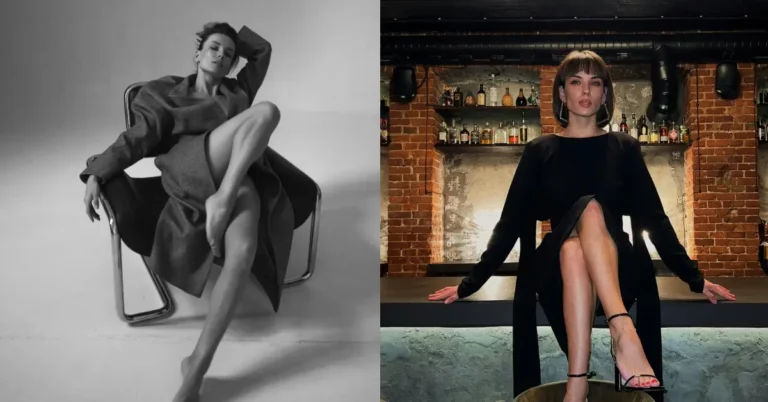
When your clothes are a blank canvas, your accessories do all the talking. This is where you inject your personality into the look. I’m a gold jewelry girl through and through. I feel like gold warms up an all-black outfit so beautifully.
I always stack a couple of chunky gold necklaces and wear my favorite gold hoop earrings. It adds that sparkle near your face so you don’t look washed out. If you prefer silver, that works too – it gives a cooler, more edgy vibe. Mixing metals is also super cool right now.
And bags! Your work bag doesn’t have to be black too. A burgundy or deep green leather tote bag against an all-black outfit is honestly chef’s kiss. It pops so perfectly. It shows you put thought into the outfit.
Let’s chat about shoes for a second because honestly, shoes make or break the outfit. You can be wearing the most basic black tee and pants, but if you have a really cool shoe, the whole look changes. I used to think I had to wear uncomfortable pumps to look professional. I was literally keeping a stash of band-aids in my desk drawer and limping to the train at 5 PM. It was tragic.
Now? I am all about a chunky loafer or a really sleek, pointed-toe ankle boot. I bought these awesome patent leather loafers last year and they are my babies. They are shiny, which adds another texture – see, I’m always bringing it back to texture! – and they look so good with ankle-length trousers.
Makeup and Hair Hacks
Since you don’t have color in your outfit, your face becomes the focal point. If I’m wearing all black and I skip blush, I literally look like a ghost. I’m already pretty pale, so it’s not a great combo.
I always make sure to go a little heavier on a creamy, peachy blush to bring some life back to my skin. And a lip tint! You don’t need a full bold red lip – though a red lip with a black suit is an absolute vibe if you’re feeling it – but just a tinted lip balm makes a huge difference. You want to look fresh and awake.
And hair! I love pulling my hair back into a sleek low bun when I’m wearing a chunky black turtleneck. It just looks so clean and elegant. Plus, if I’m being honest, I only wash my hair twice a week so the slicked-back bun is usually my go-to by Wednesday anyway. We love a low-maintenance moment.
Let’s Talk About the Enemy: Lint
I can’t write a whole guide about wearing black without addressing the elephant in the room. Lint. And pet hair.
I have a golden retriever named Charlie. I love him more than life itself, but his hair is everywhere. My apartment is basically covered in a fine layer of blonde fur at all times. When I first committed to the all-black wardrobe, I thought I was going to have to rehome my dog. Just kidding, obviously! But it was a struggle.
Here is my survival guide. Keep a mini lint roller in your car, one in your desk drawer, and one by your front door. Do a quick sweep before you walk into the building. Also, buy fabrics that repel hair. Silk and leather are great for this. Velvet and cheap synthetics act like magnets.
I once wore a black velvet blazer to a friend’s house who has three cats, and I left looking like a Yeti. Literally covered in white hair. I was trying to pick it off piece by piece on the drive home. Never again.
Your Starter Pack
If you’re ready to make your mornings 10x easier, here is a quick breakdown of my top 5 black wardrobe essentials that you absolutely need in your closet to start doing this:
- The Perfect Oversized Blazer: You want it to slouch just a little bit, but fit well in the shoulders. It instantly elevates a simple t-shirt.
- A Silk Midi Skirt: We talked about this! It’s the ultimate texture piece. You can wear it with boots in the winter and sandals in the summer.
- Wide-Leg Trousers: Comfortable enough to sit at a desk for 8 hours, but tailored enough for a board meeting.
- A Fitted Ribbed Turtleneck: The ultimate layering piece. It hugs your body and creates a nice contrast if you are wearing looser pants.
- A Great Pair of Leather Loafers: They just scream “I mean business” but they don’t destroy your feet.
Just a little note - some of the links on here may be affiliate links, which means I might earn a small commission if you decide to shop through them (at no extra cost to you!). I only post content which I'm truly enthusiastic about and would suggest to others.
And as you know, I seriously love seeing your takes on the looks and ideas on here - that means the world to me! If you recreate something, please share it here in the comments or feel free to send me a pic. I'm always excited to meet y'all! ✨🤍
Xoxo Alice