20+ Paper Organization Ideas for Office: Find Everything Faster

There was a stretch a couple years ago when my desk had three separate piles that I referred to, out loud, as “deal with soon,” “deal with eventually,” and “no idea.” That last pile had a coffee stain on it and a parking ticket from a city I had not visited in over a year.
I am not proud of this. I am telling you anyway.
My brother Theo, who works from a shared office space downtown, actually laughed at me over video call when I described the piles. He has a filing cabinet with labeled drawers and a tray system that I used to think was excessive. Turns out he was right and I was wrong, which is a sentence I do not say often about Theo.
So here are twenty ways..
20 Ways to Stop Losing Things Under a Pile of Mail
1. Set Up a Landing Zone by the Door


- Catches papers before they scatter
- 15 minutes to set up
You need: tray, small basket, wall hooks
My mail used to travel with me from the entry to the kitchen counter to my desk to, eventually, the floor. Now there is one tray by the door and nothing gets past it.
If it is not in the tray, it does not exist yet, and that is honestly the whole system.
2. Sort Mail the Second It Comes In
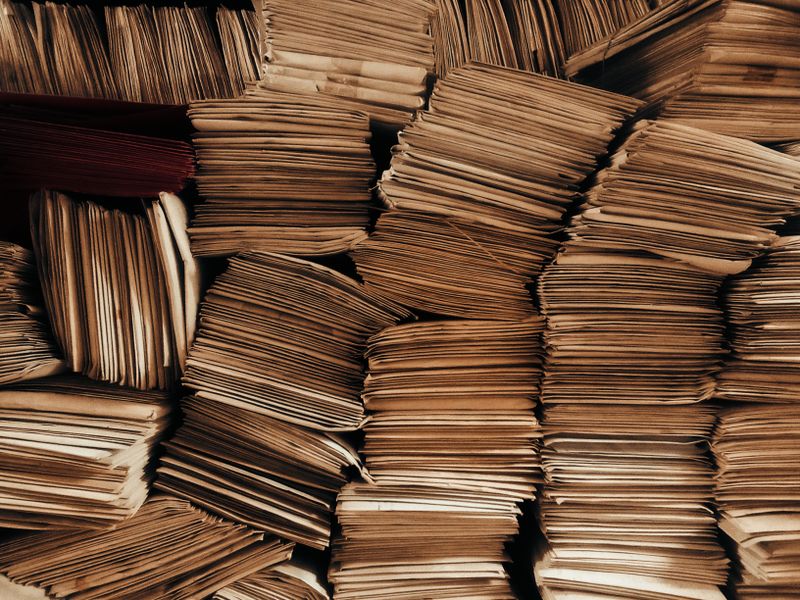

- Destroys the pile before it forms
- 2 minutes daily
This is one of those mail organization ideas for office spaces that sounds too simple to matter, but it is the one thing that actually stopped my drawer from filling up.
I stand over the recycling bin, open everything immediately, and toss the junk before it ever touches my desk. Bills go in one spot, everything else gets tossed or shredded on the spot.
3. Build a Simple Color Coded Filing Drawer


- Find anything in seconds
- 1 weekend project
- under $20
You need: hanging folders, colored tabs, filing drawer
Theo’s system uses blue for bills, green for anything tax related, and red for anything urgent. I copied it almost exactly, and I will admit I resisted at first because color coding always seemed like a thing people do for the aesthetic rather than the function. It is not. It works.
4. Make a List of Your Actual Categories First


- Prevents an overbuilt system
- 10 minutes
Before buying a single folder, I sat down and wrote out what actually comes through my mail and my inbox on a regular basis. For most people, the home filing system categories end up being some version of bills, medical, tax documents, warranties, and personal.
Mine also had a category called “receipts I will need someday,” which, in hindsight, is doing a lot of work.
5. Get a Folder Per Ongoing Project
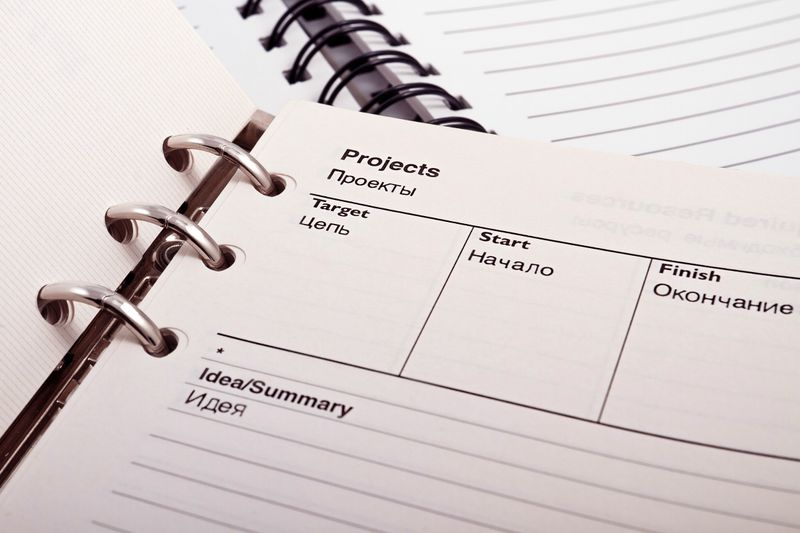

- Keeps active work from mixing with archives
- under 30 minutes
Anything I am actively working on gets its own folder, kept upright in a small file box on the desk itself, not in the drawer. Once the project ends, it moves to the drawer or gets shredded.
This is probably the single change that stopped papers from migrating into random stacks across my desk.
6. Use a Wall Mounted Sorter for Weekly Papers


- Keeps the desk surface clear
- under $25
- mounts in minutes
You need: wall sorter, screws or adhesive strips
I hung a five slot sorter above my desk labeled Monday through Friday, and honestly it has changed how I think about the week. Whatever needs attention on a given day goes in that slot, and I do not open it until that day arrives.
It sounds rigid. It is rigid. It also works.
7. Shred on a Schedule, Not When It Piles Up

- Never becomes a weekend chore
- 5 minutes weekly
I used to let the shred pile grow until it became its own project, which meant it never got done. Now I shred every Friday afternoon while listening to whatever podcast I am behind on.
Five minutes, done, and the little bin never overflows onto the floor.
8. Give Every Folder a Real Label, Not a Guess
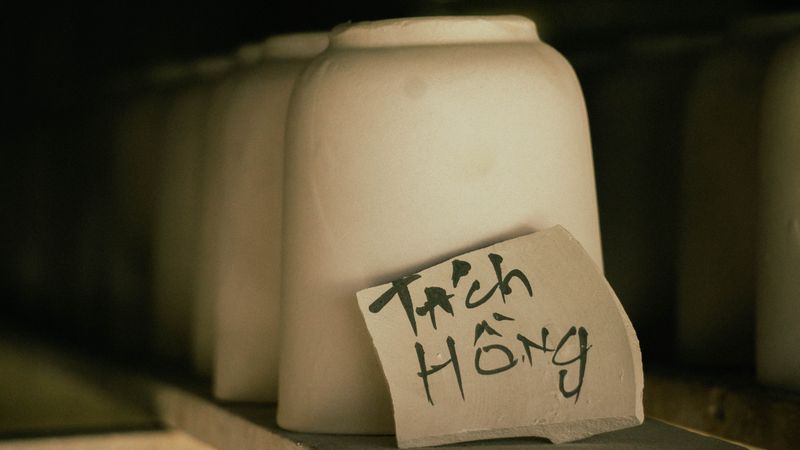

- Removes the guessing entirely
- under 15 minutes
You need: label maker or masking tape and pen
Handwriting labels felt fine until I could not read my own writing three months later. A cheap label maker fixed this completely, and now among all my file folder organization ideas, this is the one I recommend to literally everyone, including my mom, who still writes on masking tape in pencil.
9. Keep a Single Binder for Anything Tax Related
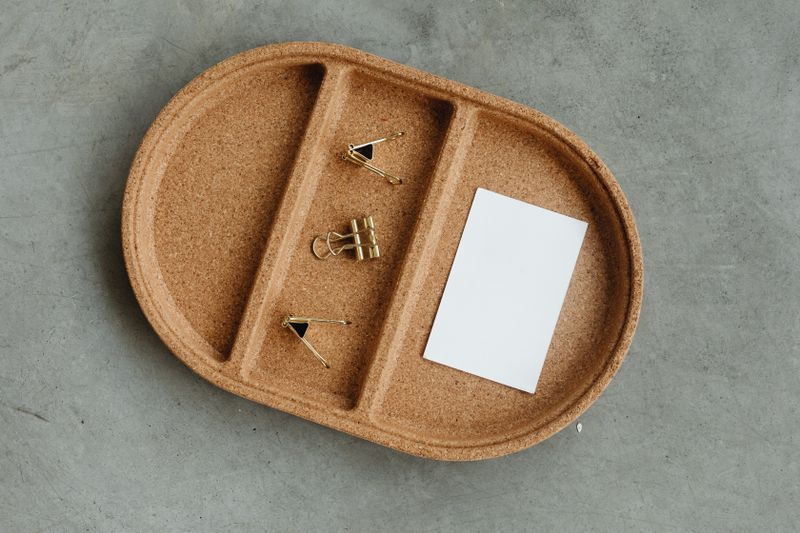

- One place for the whole year
- 1 hour to set up
You need: binder, plastic sleeves, tab dividers
My friend Tessa does this and swears it saved her hours in April. Every receipt, every statement, every donation slip goes into the same binder, sorted by month, the second it arrives.
I have started doing this too and it is genuinely the most boring successful habit I have picked up all year.
10. Scan Anything You Do Not Need in Paper Form
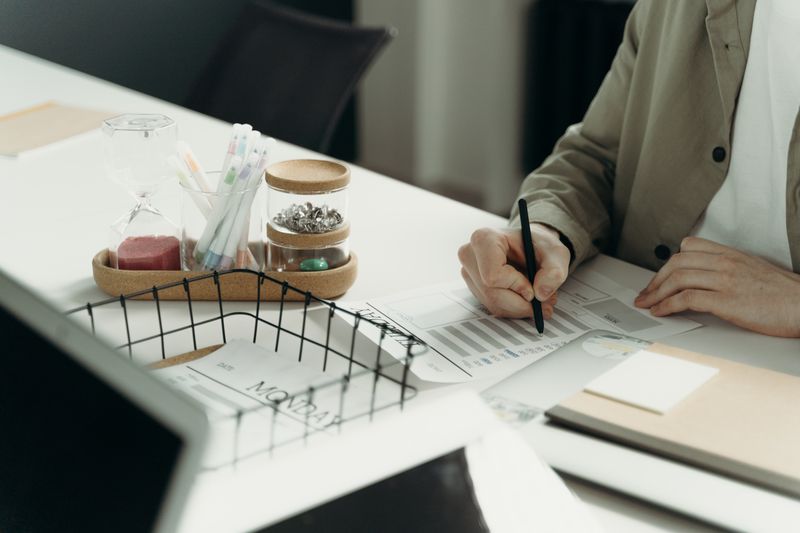

- Cuts the paper volume in half
- a few seconds per document
Warranties, manuals, old contracts, most of it does not need to sit in a drawer taking up space. I scan it, drop it into a labeled folder on my computer, and shred the original unless it legally needs to stick around.
This alone probably cut my paper volume by a third.
11. Put a Tray at Every Desk in a Shared Office
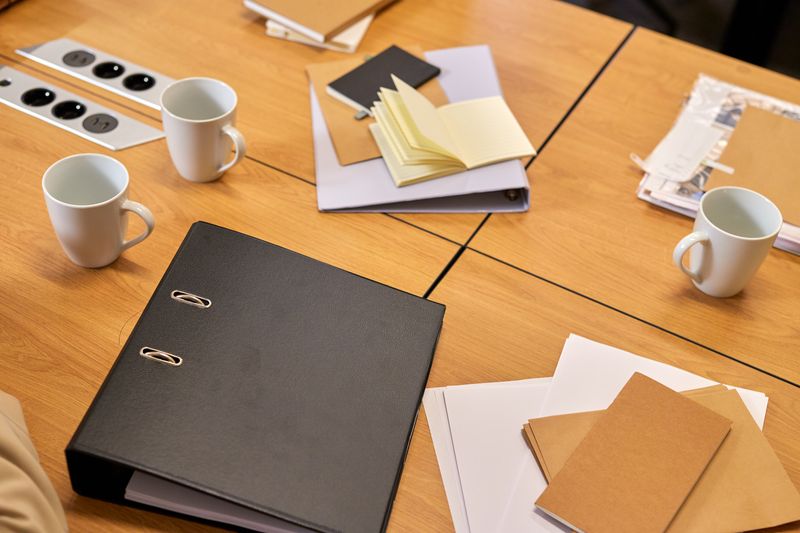

- Ends the wandering stack problem
- under $10 per tray
Theo’s office gave everyone their own inbox tray after papers kept ending up on the wrong desk for weeks at a time. It is such a small fix but apparently it ended what he called, only half joking, “the great stapler incident of last spring.”
12. Set a Fifteen Minute Weekly Reset
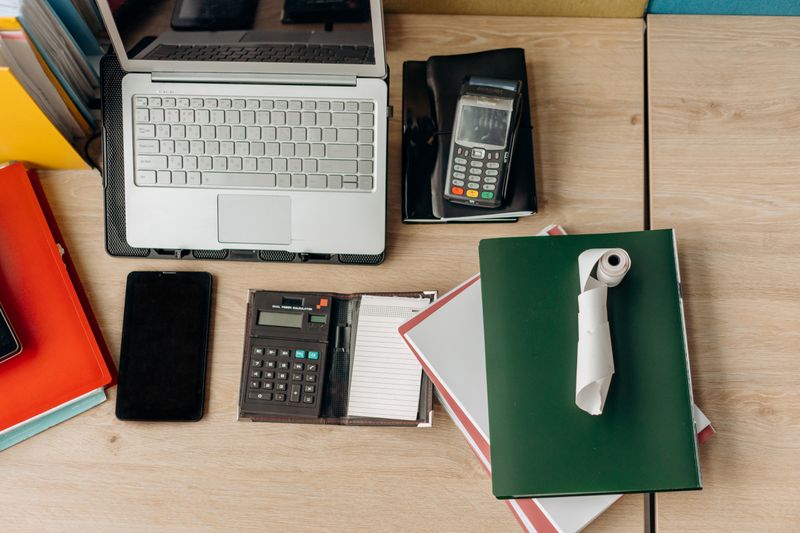

- Prevents the pile from ever forming
- 15 minutes weekly
Every Friday before I log off, I clear the desk completely. Loose papers get filed, sorted, or shredded, no exceptions, no “I’ll deal with it Monday.”
It takes fifteen minutes and it means Monday morning starts with a clean surface instead of an archaeology dig.
13. Separate Incoming From Outgoing Mail Trays


- Stops outgoing mail from getting buried
- under $15 for both trays
I did not realize how much this mattered until I started missing outgoing mail because it was sitting under the incoming pile. Now there are two trays, clearly labeled, and outgoing mail actually leaves the house on time. Small thing. Big difference.
14. Keep an Archive Box for Anything Older Than a Year
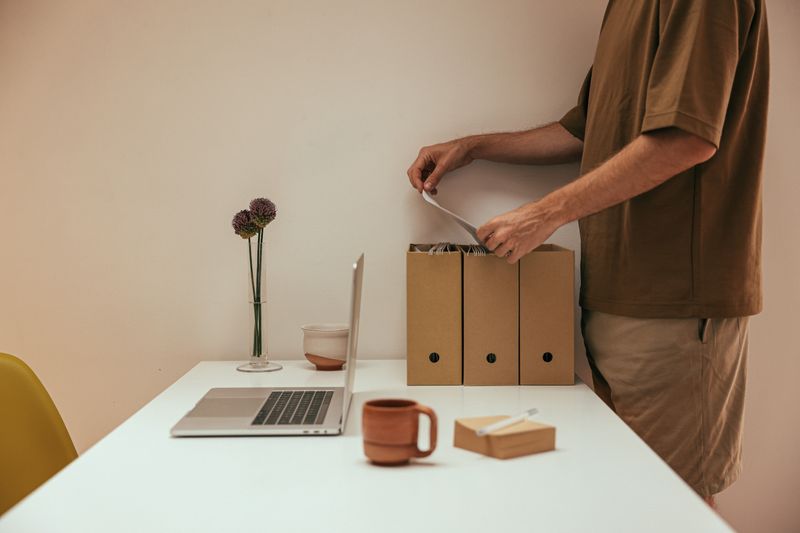

- Frees up the active drawer
- 1 hour once a year
You need: archive box, labels
Once a year, usually in January, I go through the filing drawer and move anything older than twelve months into a labeled archive box in the closet. This is one of those document organization ideas that sounds obvious but almost nobody actually does it on a schedule, myself included until pretty recently.
15. Use Clear Sleeves for Anything You Reference Often


- Survives constant handling
- under $10 for a pack
You need: clear plastic sleeves
Insurance cards, warranty info, anything I pull out constantly gets a plastic sleeve instead of sitting loose in a folder where it slowly gets crumpled at the corners. It is a tiny upgrade but it stopped my most used papers from looking like they had been through a hurricane.
16. Make a Single Master List of Where Everything Lives


- Ends the searching entirely
- 20 minutes
I taped an index card inside my filing cabinet door listing every folder and what is in it.
17. Give Paperwork a Home the Moment It Enters


- No temporary piles allowed
- seconds per document
Among all the paperwork organization ideas I have tried, the rule that made the biggest difference was refusing to let anything sit “temporarily.” The second something comes in, it goes straight into its folder or the shred pile.
No temporary spot on the counter. No exceptions, even when I am tired and just want to set it down.
18. Use a Portable File Box for Anything You Take Places

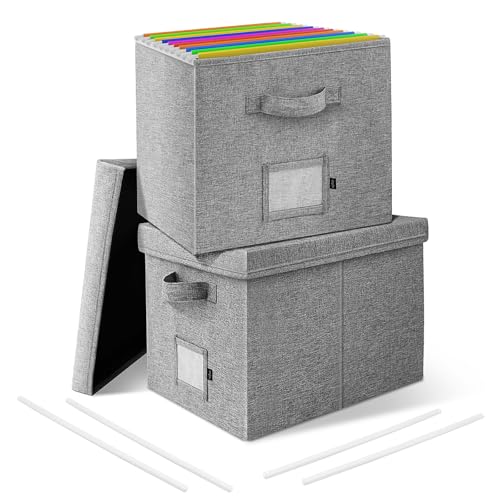
- Keeps travel documents contained
- under $20
You need: portable file box, folders
My neighbor Marlene keeps a small portable box for anything she needs to bring to appointments, the accountant, or a school meeting. It has a handle, it shuts, and nothing falls out of it in the car.
I borrowed the idea after watching her pull exactly the right folder out of it in about four seconds flat.
19. Keep One Drawer Completely Empty on Purpose
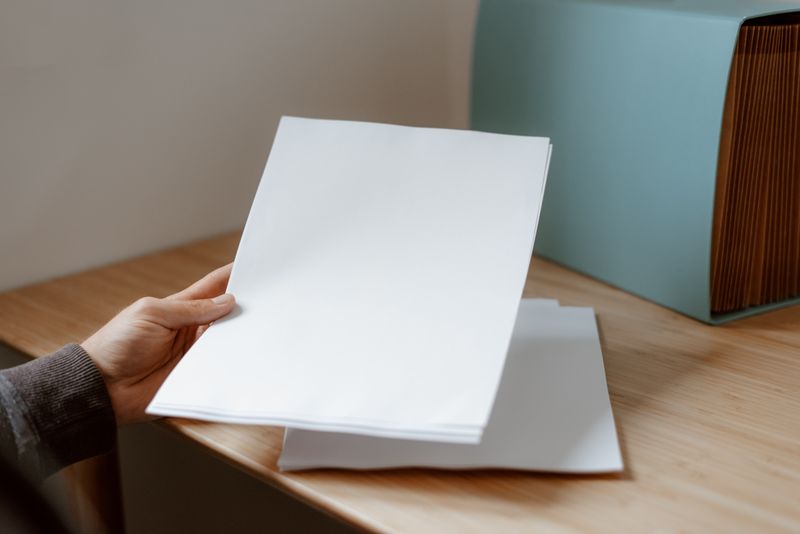
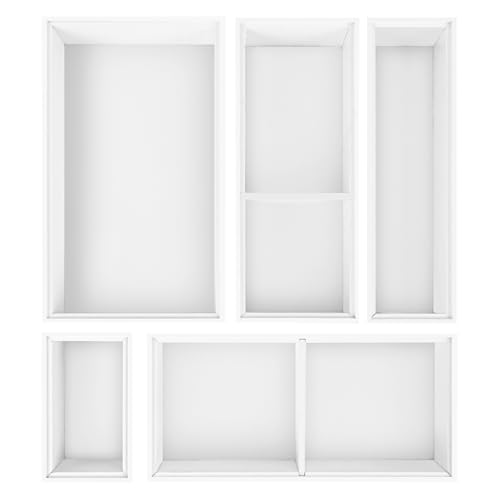
- A landing spot for the unexpected
- no setup needed
This sounds ridiculous but it works. One drawer stays empty for whatever unexpected paper shows up that does not have a category yet.
It gets emptied every week during the reset, so it never actually becomes a new junk drawer, it just absorbs the occasional surprise.
20. Review the Whole System Every Few Months
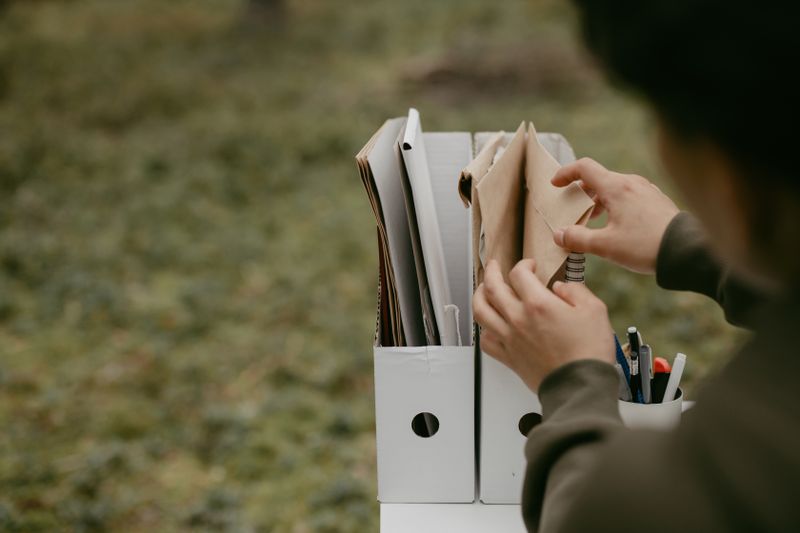

- Keeps the system from going stale
- 30 minutes every few months
Categories change. What worked in January does not always fit by summer.
Every few months I spread everything out on the table and ask whether the folders still make sense, or whether I have just been cramming things wherever they fit. Usually something needs adjusting, and that is fine.
Related stories
- 20 Desk Organization Ideas for Work That Actually Stick
- 20 Sticky Note Organization Ideas That Actually Stick (Sorry)
- 28+ Genius Ways To How Clean Junk Room Fast
- 19+ Clever Printer Station Ideas Home Offices Need
- 20+ Work from Home Routine Ideas: Create a Routine That Sticks
- 20+ Freelancer Schedule Ideas: Save Time and Get Paid Faster