Work Heels Without Pain: Height, Toe Box, Insoles (My Guide)
IG: missaljel
I think we all know exactly what I am talking about here – you buy a stunning pair of pumps for work. You put them on in the morning, look in the mirror, and feel like an absolute boss. You are ready to conquer the corporate world. But then 2 PM rolls around.
Suddenly, you have to walk all the way down the long hallway to the printer, and you are doing that weird, stiff hobble-walk because your feet are screaming in agony. The struggle of wanting to look cute and put-together for your 9-to-5, but knowing the physical cost of it, is so real. I used to just accept that if I wanted to look professional, I was going to be in pain. But girl, I am here to tell you that is a total lie.
I remember my very first week at my old agency job right out of college. I was 22, trying way too hard to impress everyone, and I decided to wear these gorgeous, neutral-colored four inch stilettos. They matched my outfit perfectly and I felt so chic. But by lunchtime? My feet were in so much pain I literally slipped them off under my desk while answering emails. The absolute worst part was when I had to use the restroom. I tried to put them back on and my feet were so swollen they wouldn’t even slide in. I actually had to walk across the gross, scratchy office carpet in just my tights. My coworker Sarah caught me sneaking down the hall and it was honestly so embarrassing lol. We still laugh about it to this day, but in that moment I was ready to cry.
Since that deeply tragic day, I have made it my personal mission to figure out how to wear heels to work without wanting to chop my feet off by 5 PM. It took a ridiculous amount of trial and error, a lot of band-aids, and way too much money spent on bad shoes. But I finally cracked the code!
The Great Height Debate: How High is Too High?
Let’s start with the most obvious first – the height of the shoe. Back in the day, I honestly used to think higher was always better. Like, if my shoes weren’t adding at least four inches to my height, what was even the point of wearing them? But tbh, that is just a massive recipe for disaster when you work in an office environment.
Think about it. You are walking to endless meetings, standing at the coffee machine chatting with your boss, and maybe even commuting on the subway or bus. When you wear a super high heel, it changes the entire angle of your foot. It pushes literally all of your body weight directly onto the tiny ball of your foot. No wonder it burns like crazy after just an hour!
The golden rule I live by now? Two and a half to three inches. Max. A two or three inch heel still gives you that really nice lift, makes your legs look amazing, and gives you that satisfying boss-lady click-clack sound when you walk down the hallway. But it distributes your weight so much more evenly across your whole foot.
Also, we need to have a serious chat about block heels. If you aren’t wearing block heels to work yet, what are you even doing? Stilettos are beautiful, sure, but they offer zero stability. You spend half of your energy just trying to balance and not snap your ankle. Block heels give you a solid, thick foundation. You can actually power walk in them if you are running late for a morning stand-up meeting. Plus, they don’t get stuck in those annoying sidewalk cracks or elevator grates. I am totally obsessed with a good suede block heel right now.
If you really, really want to be taller, there is a loophole. Platform heels! A shoe with a four inch heel but a one inch platform under the toe only feels like a three inch heel to your actual foot. It is basically magic math. You get the height, but the slope of your foot isn’t as extreme.
The Toe Box: Please Let Them Breathe
Okay moving on to something most people completely ignore when they buy shoes – the toe box. The toe box is exactly what it sounds like. It is the very front part of the shoe where your toes live. And omg, shoe designers love to torture us here.
For the longest time, I was totally hooked on super pointy toe pumps. I thought they looked so incredibly sharp and professional. But here is the major problem. Human feet are not shaped like triangles! When you shove your poor little toes into a tiny, narrow point, they get completely squished and folded together. It’s like trying to cram five roommates into a tiny studio apartment. Somebody is going to be miserable.
I learned this the hard way right before a massive client presentation last year. I bought these stunning black leather pointy pumps on sale. I completely ignored the fact that they felt “a little snug” in the store. “Oh they will totally stretch out,” I told myself. Spoiler alert – they did not stretch at all. I was standing at the front of the big glass conference room trying to confidently explain our Q3 marketing strategy, and all I could think about was my poor pinky toe. I was actually sweating. Not because I didn’t know the material, but because my foot was in pure agony. My toe was literally numb. Like, zero feeling. After the meeting, I ran to the bathroom, took the shoes off, and my toes were overlapping each other. It took two whole days for the feeling to come back completely. Never again, guys.
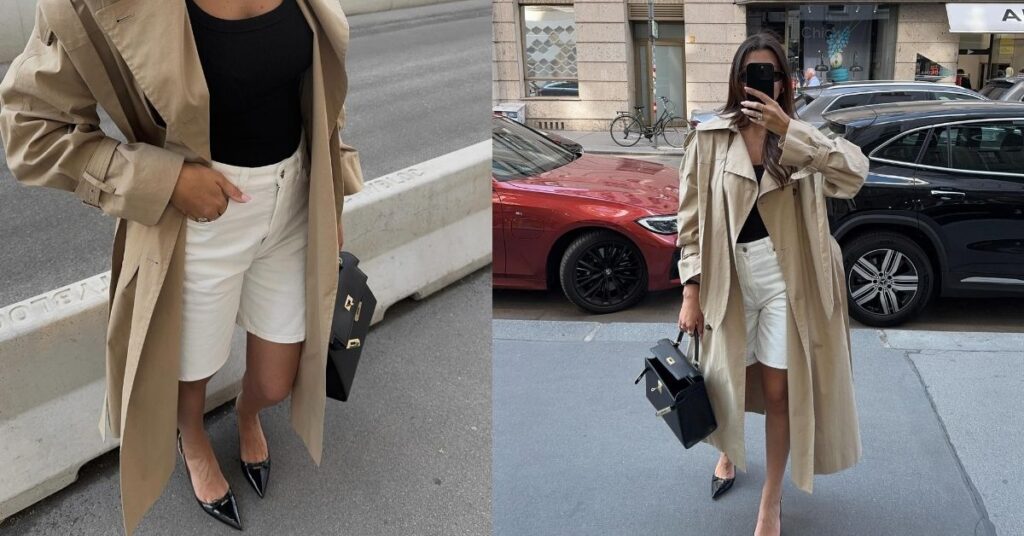
So what should you look for instead? Almond toes are your absolute best friend. They give you that sleek, elongated look of a pointed toe, but they actually have a slightly rounded tip so your toes have room to exist. Square toes are also making a huge comeback lately and they are so incredibly comfortable. They give your toes plenty of space to spread out naturally when you take a step.
If you absolutely must wear a pointed toe because you just love the vibe, make sure the point starts past your actual toes. Your toes should sit in the wider part of the shoe, and the shoe should taper into a point after that. But honestly, for an eight hour work day? Just stick to almond or square. Your feet need to breathe.
Materials Matter More Than You Think
Real quick, we have to talk about what your shoes are actually made of. There is so many cheap options out there, but you get what you pay for. If you buy stiff, cheap plastic shoes, they will never, ever mold to the shape of your foot. They will just trap heat, make your feet sweat, and rub your skin raw until you have blisters everywhere.
Real leather or soft suede is the way to go for office wear. Yes, they cost a little bit more upfront. But natural materials will actually soften up over time. They stretch to fit your unique foot shape. After a few weeks of wearing a good leather pump, it will feel custom made for you. Patent leather is really cute and shiny, but just be warned it is a lot stiffer than regular leather and takes way longer to break in!
Insoles: The Ultimate Secret Weapon
Now we are getting to the real secret sauce. Insoles. If you buy a pair of work heels and wear them straight out of the box without adding any extra padding, you are doing it wrong. I mean it! Even the most expensive designer shoes usually have terrible padding inside. They are just a thin layer of leather over a hard piece of wood or plastic.
You need a shock absorber. Every time you take a step, the impact travels up your foot, into your knees, and all the way to your lower back. That is exactly why your whole body feels exhausted and achy after a day in bad shoes. It’s not just your feet taking the hit.
I personally swear by clear gel insoles for the ball of the foot. You know those little squishy pads you can buy at the drugstore? They are absolute lifesavers. They provide a soft cushion right in the exact spot where all your body weight is resting. And because they are clear, you can even stick them inside open-side pumps and nobody will ever see them.
If you have high arches like I do, you definitely need an arch support insert. When your shoe doesn’t support your arch, your foot flattens out every time you take a step. This pulls and stretches the muscles in the bottom of your foot and causes that deep, sharp aching pain at the end of the day. A good arch support insert changes the game completely. It bridges the empty gap between your foot and the shoe, so your weight is supported evenly across your whole foot instead of just at the heel and toe.
Another holy grail tip – heel grips. Sometimes a shoe fits perfectly in the morning, but by the afternoon your feet are a little sweaty and your heel starts slipping out of the back when you walk. This causes awful friction, which causes the worst blisters. A little suede or gel heel grip sticks right to the inside back of the shoe and keeps your heel locked perfectly in place.
Oh, and one weird model hack I learned recently? Taping your toes! If you take a piece of medical tape and gently tape your third and fourth toes together (counting from your big toe), it takes the pressure off the nerve that runs right between them.
Your Game Plan For Shopping
So, how do we put all this info together? Let me give you my ultimate shopping checklist for next time you are hunting for office shoes.
First of all, always go shoe shopping at the end of the day. Your feet naturally swell a little bit as the day goes on. If you buy shoes at 10 AM when your feet are at their smallest, they are going to feel way too tight by the afternoon. Go after work when your feet are their normal, slightly puffy selves.
Second, actually walk around the store. And I don’t mean just stand up, look in the mirror, and sit back down. Walk all the way down the aisles. Walk fast. Pay attention to how the shoe bends with your foot. Does it pinch your toes? Does your heel slip even a tiny bit? Is the heel height making your ankles wobble? If the answer to literally any of these is yes, take them off immediately. Do not try to convince yourself they will break in. They won’t. Or at least, they won’t break in enough to stop hurting you.
Third, feel the inside of the shoe with your hand before you even try it on. Is it soft? Is there any built-in padding at all? If it feels like a solid wooden board, put it back. Or, make sure you size up half a size so there is enough room in there to add a thick gel insole without making the shoe too tight.
I put all of these rules to the ultimate test last month when I went to this huge industry networking event in the city. It was one of those exhausting events where you are just standing around a hotel ballroom holding a tiny plate of appetizers and a drink for three solid hours. Normally, that is my personal nightmare and I would be searching for a chair after 20 minutes.
But this time, I wore my trusty, broken-in, almond-toe, 2.5 inch block heels with my favorite gel inserts already stuck inside.
Honestly, it felt like a superpower. And I want you to have that exact same superpower! You really don’t have to sacrifice your personal style for comfort, and you definitely don’t have to be in physical pain just to look professional at work. The modern corporate girlie deserves to be comfy.
So do me a favor. Go through your closet tonight. Donate those rigid, super high torture devices that you haven’t worn in two years because you know they hurt too much. Invest in a few really good pairs that actually support you and make you feel good. Grab some insoles online – you can get a giant pack on Amazon for super cheap. Your feet, your knees, and your general mood at 4 PM will thank you so much.
Just a little note - some of the links on here may be affiliate links, which means I might earn a small commission if you decide to shop through them (at no extra cost to you!). I only post content which I'm truly enthusiastic about and would suggest to others.
And as you know, I seriously love seeing your takes on the looks and ideas on here - that means the world to me! If you recreate something, please share it here in the comments or feel free to send me a pic. I'm always excited to meet y'all! ✨🤍
Xoxo Alice