Desk-to-Dinner Modest Outfits – My Full Style Guide
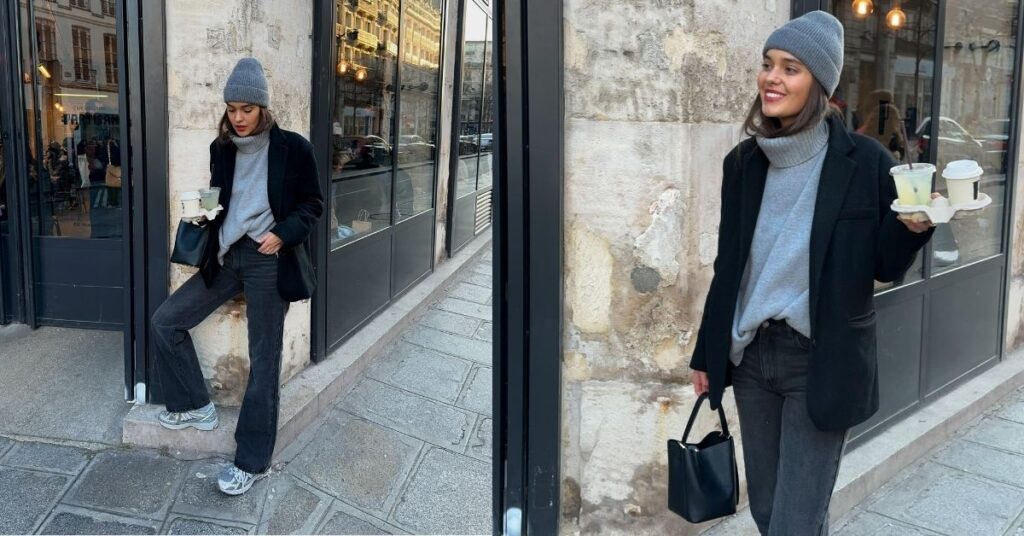
IG: marie.helenedbs
Okay ladies, is there anything more stressful than looking at the clock at your desk, realizing it is 4:45 PM, and knowing you have a dinner date at 6:00 PM? Honestly, my heart rate spikes just thinking about it.
You sit there thinking about how you are wearing a boring, stiff button-down shirt that screams “I just spent eight hours in a cubicle” and you somehow need to morph into the cool, effortless girl who just casually steps out for artisan pasta. And if you are anything like me, you probably also prefer to keep things on the modest side. You want to look chic and elevated, but you don’t really want to show up to a nice dinner in a super tight miniskirt or a plunging neckline after dealing with your boss all day. It’s just not the vibe.
I feel like for the longest time, “modest office wear” basically meant dressing like a literal grandma. Which is fine if that’s what you’re into! But if you’re trying to look like a 25 year old who actually knows what Pinterest is, it can be a struggle. We want layers. We want textures. We want to look like we actually tried, even though we only had exactly four minutes in the office bathroom to change.
Desk-to-Dinner Modest Outfits – The Golden Rule:
If there is one thing you take away from this post today, let it be this. Do not, and I repeat, do not try to build a day-to-night outfit around a pair of stiff, uncomfortable dress pants.
Let me tell you a little story. A couple of years ago, I was wearing this super rigid, high-waisted pencil skirt to the office. It looked amazing standing up. But then I went to this incredible Italian place downtown with a guy I was seeing at the time. I literally ordered the truffle ravioli because, duh, it’s truffle ravioli. Halfway through the dinner I was in so much pain from the waistband digging into my stomach. I actually had to go to the bathroom and unbutton the skirt and roll the top down just so I could breathe. I spent the rest of the night walking super weirdly so my skirt wouldn’t fall down. Never again.
Since the great ravioli incident of 2024, my base layer is always comfortable. Always. I am talking elastic waists, slip skirts, and flowy midi dresses. A satin midi skirt is literally your best friend. It looks totally professional for the office if you pair it with a chunky knit sweater. But the second you take that sweater off and reveal a nice silk blouse or a high-neck long sleeve bodysuit underneath? Boom. You are ready for dinner.
It’s so much easier to swap your top layers than your bottom layers. Trust me on this.
Layering Like A Pro: The Blazer Trick
Okay so, let’s talk about the blazer. We all have one. You probably have like five. But the way you wear a blazer at 10 AM is totally different from how you wear it at 7 PM.
For the office, you probably wear it open over a blouse, maybe with some tailored trousers. It’s safe. It’s giving corporate baddie. But when it’s time for dinner, we need to change the energy. The trick here is the oversized blazer. You don’t want anything too fitted because it just looks like a uniform.
My favorite desk-to-dinner trick is to wear a really simple, high-neck ribbed maxi dress. During the day, I wear it with a cardigan.
Actually, a blazer literally saved my life once. I had this huge presentation at work and I was wearing a crisp white turtleneck. Very chic, very minimalist. Well, about an hour before I was supposed to leave for a dinner date with my besties, I spilled half a cup of cold brew right down the front. Like, a massive brown stain. I panicked. I had nothing else to wear. But then I realized I had my oversized black blazer hanging on my chair. I threw it on, buttoned it all the way up, and used a little safety pin to keep the lapels closed higher up my chest. It ended up looking like this incredibly structured, avant-garde top.
Accessorize, Accessorize, Accessorize
This is where the real magic happens. You can literally wear the exact same clothes all day, but if you change your accessories, you change the entire outfit.
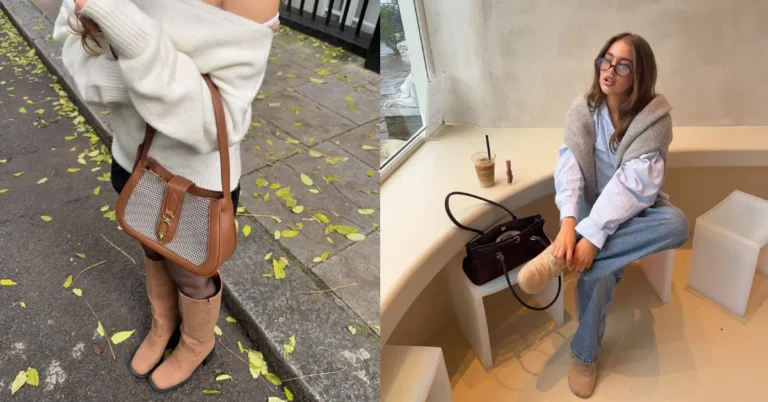
- Swap 1: The Bag. You cannot bring your giant work tote to a nice dinner. You just can’t. It ruins the vibe completely. I always keep a tiny little shoulder bag or a clutch inside my big work tote. When 5 PM hits, I just throw my wallet, lip gloss, and keys into the small bag and leave the heavy laptop tote locked in my desk drawer.
- Swap 2: The Jewelry. Office jewelry is usually pretty minimal. A tiny hoop, a simple chain. For dinner, take those off and put on something chunky.
- Swap 3: The Lip Color. Okay this isn’t technically an accessory but it counts. Wipe off your tinted lip balm and put on a bolder color. It doesn’t have to be bright red.
It sounds so basic but honestly, between you and I, people don’t pay that much attention to the actual clothes. They look at the overall picture.
Let’s Talk About Shoes (Because My Feet Hurt)
We need to have a serious conversation about footwear. I don’t know who decided that women need to wear heels to look dressed up, but I would like to have a word with them. By the end of a workday, my feet are done. I am not putting on a stiletto to go eat sushi.
If you want to stay comfortable but still look like you put effort in, you have two options. Option one is the pointed-toe kitten heel bootie. They give you a little bit of height, but because it’s a boot, your ankle is supported.
Option two is my personal favorite – the chunky loafer. I am obsessed. I wear them with everything. I’ll wear a nice pair of tailored trousers and a high neck blouse to work with some simple flats. Then for dinner, I swap the flats for my massive, heavy-soled Prada-dupe loafers.
You literally couldn’t pay me to wear uncomfortable shoes anymore.
The Power of the Monochrome Set
If you are truly lazy – and trust me, some days I am the absolute laziest – you need to invest in monochrome sets.
I’m talking about a matching top and bottom in the exact same color and fabric. A really nice ribbed knit maxi skirt with the matching long-sleeve sweater. Or a pair of flowy wide-leg pants with a matching tunic top. When you wear one color from head to toe, you automatically look expensive. It is like a visual trick for the brain.
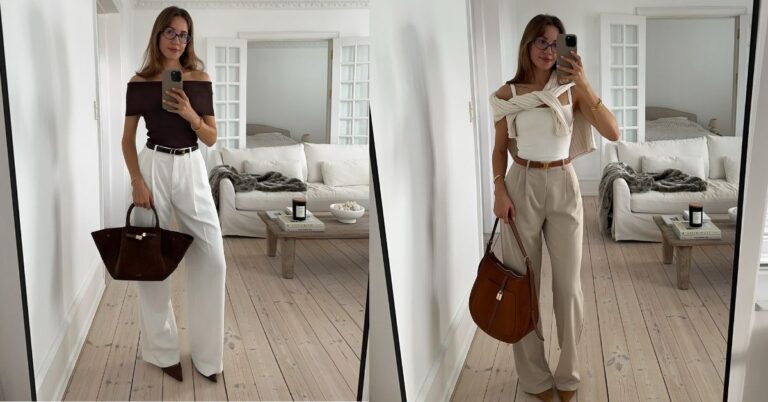
I wore this chocolate brown matching pleated set to work last month. It was basically pajamas. It felt like I was wearing sweatpants. I wore it with some basic white sneakers during the day. My boss, who is normally super grumpy and never notices anything, literally stopped me in the hallway and said “You look very sharp today, big meeting?”. I just laughed and said yes. But the joke was on him, I just didn’t want to wear real pants.
Then, at 5:30 PM, I swapped the sneakers for some gold mules, put my hair in a slicked-back bun, and threw on some massive gold hoops. I went to a super fancy rooftop dinner with my girls and fit right in.
Just a little note - some of the links on here may be affiliate links, which means I might earn a small commission if you decide to shop through them (at no extra cost to you!). I only post content which I'm truly enthusiastic about and would suggest to others.
And as you know, I seriously love seeing your takes on the looks and ideas on here - that means the world to me! If you recreate something, please share it here in the comments or feel free to send me a pic. I'm always excited to meet y'all! ✨🤍
Xoxo Alice