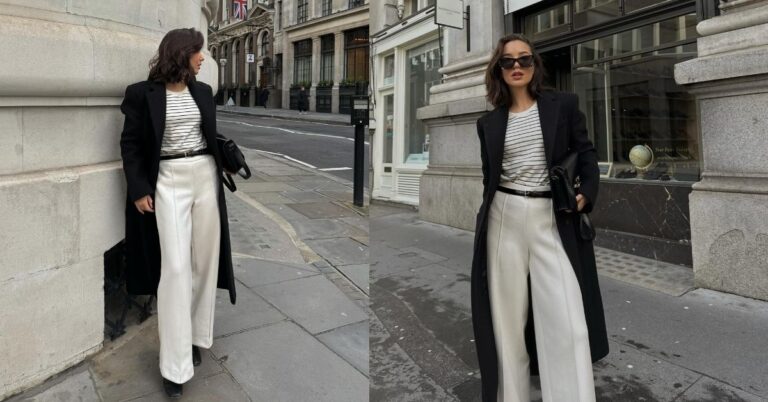
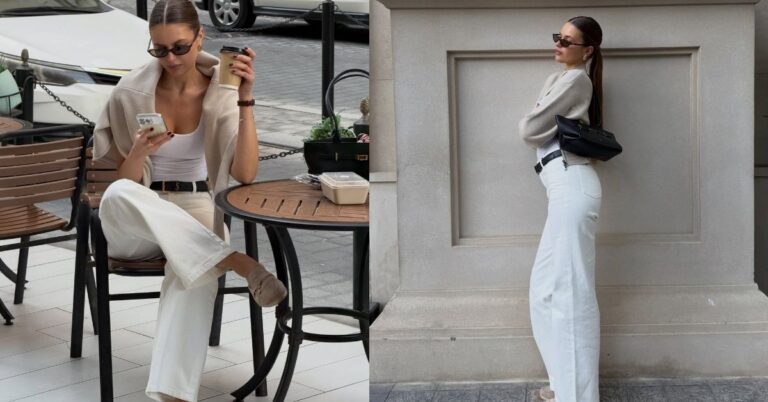
Wear Trendy Pieces to Work Without Looking Unprofessional
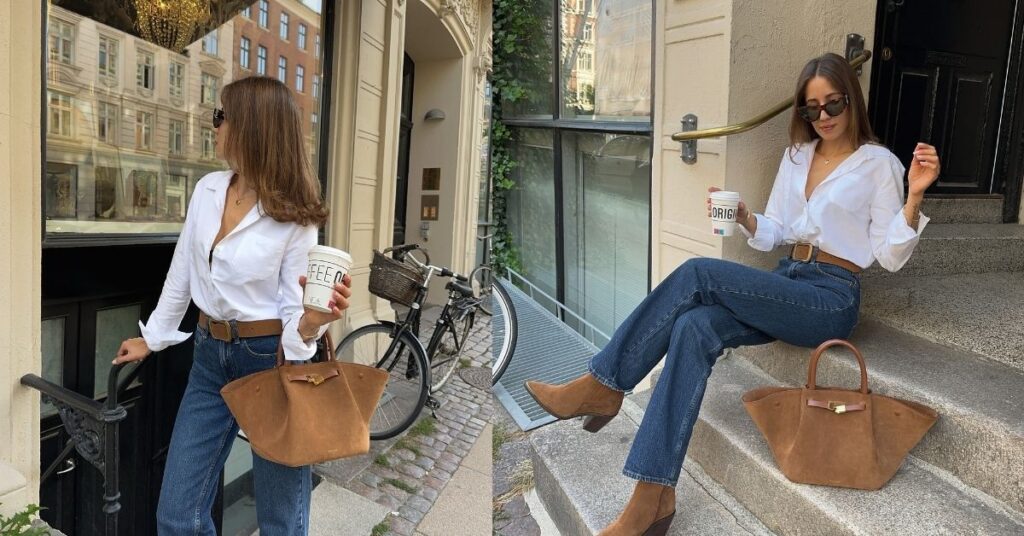
Wearing something “on trend” to work is not the risky part. The risky part is wearing a trend without translating it into your office’s version of professional.
Because “professional” is not one universal standard anymore. Hybrid work, newer generations entering office life, and the general loosening of rules means workplaces often run on vibes + context, not a clean dress-code memo. That is why one person can wear sneakers and look polished, while another person gets side-eyed for the same thing. Harvard Business Review has also pointed out that dress-code rules can be enforced unevenly depending on reputation and context.
So instead of asking “Is this trendy piece allowed?”, ask:
- What message does this piece send in my office?
- What would make it read more intentional, tailored, and meeting-ready?
- What is the safest way to try it first?
Below is a practical system you can use with almost any trend, plus real examples for 2025-2026 workwear trends (leather skirts, big accessories, softer layering, kitten heels, minimal trainers, and more).
Quick answer for skimmers
- Wear one trend at a time. Keep the other 80-90% classic.
- Make the trend look “work” by upgrading fit, fabric, and finish (tailoring, structure, and clean shoes).
- If the trend is loud (shine, volume, novelty), offset it with quiet basics (simple top, neutral palette, minimal jewelry).
- Use the “meeting test”: would you feel credible presenting to a client or leadership in this?
- Start with trends that already lean office-friendly in 2026: power suiting, soft layering, ’90s minimalism, leather done cleanly, statement belts and bags, kitten heels.
- Be careful with trends that easily read casual: distressed denim, micro bags, sheer layers without coverage, athleisure details. (Some of these are marketed as “workwear,” but your office may not agree.)
If you only do one thing: make your trendy item the “accent,” and anchor it with one unmistakably professional piece (tailored blazer, structured bag, or polished shoe).
The decision framework: translate the trend into “office language”
Step 1: Identify your office’s real dress code (not the written one)
Most workplaces fall into one of these:
- Client-facing conservative (law, finance, formal corporate)
- Business casual traditional (most offices)
- Creative/progressive (marketing, design, tech in some cities)
- Hybrid-in-office days (people “dress up” more on collaboration days)
If your office is hybrid, you are not imagining it: research and reporting on hybrid workwear has found people change what they wear depending on in-office expectations and often adopt unofficial “uniforms.”
Step 2: Use the 3 filters
Run any trendy piece through these:
Filter A: Coverage and transparency
- Can you move, sit, and bend without adjusting it?
- Is it opaque in bright office lighting?
Filter B: Structure and fit
- Does it hold shape, or does it slump?
- Does it look intentional on your body (not just “fashion”)?
Filter C: Context and power dynamics
- Are you new, interviewing, or trying to build credibility quickly?
- Do you have meetings with leadership or clients?
This won’t work if your office is extremely formal and polices appearance strictly. In that environment, trends have to live in accessories and small details, not in the core garment.
Step 3: Apply the “one notch” rule
Do not try to make a trendy piece look perfect for work on day one.
Start one notch safer:
- Less skin
- Less shine
- Less volume
- More structure
- More classic styling
Then adjust as you learn what your workplace accepts.
The “Professional Sandwich” method (the easiest way to get it right)
To wear a trend and still look credible, build your outfit like this:
Professional (top layer) + Trend (one piece) + Professional (shoe/bag)
Examples:
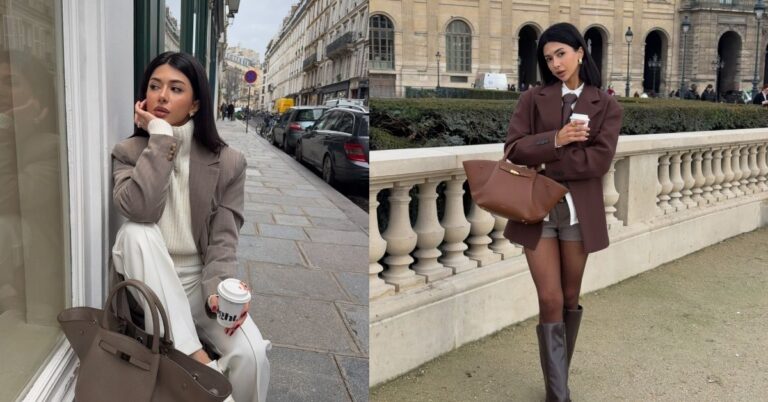
- Tailored blazer + leather midi skirt + sleek loafers
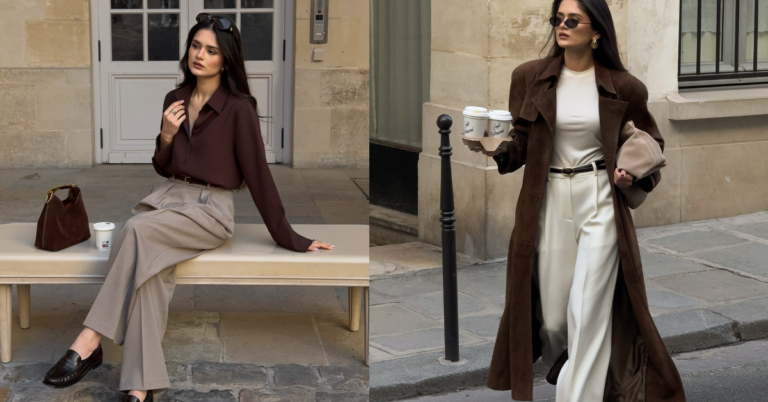
- Crisp shirt + wide-leg trousers in a trendy color + structured tote
- Classic knit + statement belt + pointed flats
- Minimal dress + over-the-top bag + kitten heels
This works because 2026 workwear trends lean heavily on upgrading basics with accessories, leather, suiting, and softer layering rather than “going clubby.”
Trendy pieces that can look office-appropriate (and how to style them)
1) Leather (skirts, blazers, trousers) without looking like nightlife
Leather is showing up again in a workwear-friendly way, especially knee-length pencil skirts and cleaner silhouettes.
Make it office:
- Choose a midi/knee length and a smoother finish (not shiny, not skin-tight).
- Pair with a classic top: fine-gauge knit, crisp button-up, or simple crewneck.
- Keep accessories minimal. Let texture be the point.
Avoid at work:
- Ultra-tight cuts, heavy shine, loud hardware.
Easy outfit:
- Cream knit + black leather pencil skirt + kitten heels + structured bag.
2) Over-the-top accessories (big belts, statement bags) without looking costume-y
One of the clearer 2026 office trends is using bolder accessories to elevate simple outfits.
Make it office:
- Keep your clothes quiet: solid colors, clean lines.
- Pick one statement: oversized belt or bold bag or big earrings.
Trade-off (no fix): statement accessories can read “fashion person” in some offices, which is great if that helps your role (creative, branding), but can distract in conservative environments.
Easy outfit:
- Navy trousers + white shirt + statement belt + loafers.
3) Softer layering (drapey knits, long coats, elegant cardigans)
Soft layering is trending in workwear because it suits hybrid life and comfort-first dressing while still looking pulled together.
Make it office:
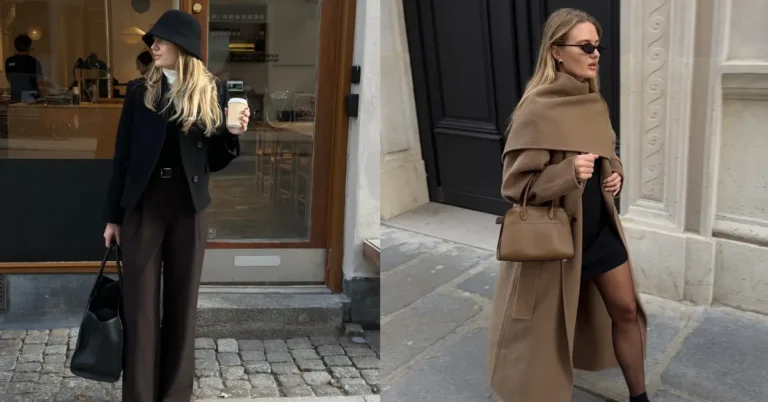
- Use layers that look intentional: longline cardigan, refined trench, structured knit.
- Keep the under-layer fitted enough to look neat.
Easy outfit:
- Slim knit top + wide-leg trousers + longline cardigan + clean trainers (if allowed).
4) ’90s minimalism (clean silhouettes, simple sets)
This trend is basically “quiet luxury adjacent”: fewer details, better fit, better fabrics. It is also one of the easiest styles to wear to the office without friction.
Make it office:
- Focus on fabric: wool blend, crepe, structured knit.
- Choose a neutral palette and one sharp detail (watch, belt, shoe).
Easy outfit:
- Black column dress + tailored blazer + minimal jewelry.
5) Kitten heels (the work shoe trend that looks polished but doable)
Vogue has called out kitten heels as a strong modern office shoe because they sit between sneakers and stilettos: enough polish, still practical.
Make it office:
- Neutral, almond toe, slingback or classic pump.
- Keep the rest of the look simple so the shoe reads “refined,” not “party.”
Easy outfit:
- Midi skirt + knit + kitten heel slingbacks.
6) Minimal trainers and “sneakerina” type hybrids (only if your office already allows sneakers)
Sneaker trends in early 2026 lean cleaner and more minimal than chunky styles, which helps them read more polished.
Make it office:
- Clean, minimal silhouette.
- Wear with tailored trousers, a blazer, and a structured bag.
Avoid at work:
- Athletic running shoes, heavily worn pairs, loud colorways.
Trendy pieces that often look unprofessional at work (and the safer workaround)
Sheer tops, lace, mesh
WSJ reporting has noted that some retailers market sheer and revealing items as “workwear,” but workplaces may not interpret them that way.
Work workaround:
- Sheer as a layer only: wear over an opaque tank, under a blazer, or pick a lined version.
Distressed denim, micro-shorts, extreme minis
Even if your office allows denim, distressing reads casual fast.
Work workaround:
- Dark, clean denim with a blazer (and only if denim is normal where you work).
Micro bags
They look trendy, but in-office they can read impractical (and sometimes juvenile).
Work workaround:
- Keep micro bags for after work. Use a structured medium bag at work.
Sequins and high-shine metallics
Great for a party, risky for a Tuesday.
Work workaround:
- Shine in tiny doses: metallic shoe, small bag, subtle jewelry.
A simple “try it safely” plan (so you do not feel exposed)
Day 1: Wear the trend in the smallest dose
- Trendy belt
- Trendy shoe
- Trendy bag
Day 2: Wear one trendy garment, but keep everything else classic
- Leather skirt + plain knit + classic shoes.
Day 3: Wear the trend closer to your face only if your office is relaxed
- Bold earrings, a statement collar, a fashion-forward scarf
This is optional. Skip it if you already have a personal uniform and you are happy. Consistency is underrated in office style.
The “meeting test” and the “photo test”
Before you wear a trendy piece to work, do these:
Meeting test:
If you had to lead a meeting with senior leadership right now, would you feel credible?
Photo test:
Snap a quick photo in normal indoor light. Trends that look fine in a mirror sometimes look too casual, too sheer, or too loud on camera.
Dress code reality check: rules, fairness, and inclusion
If you manage people or you are navigating a strict environment, it helps to know that HR guidance emphasizes making dress and appearance policies fair and compliant, including considerations around religion, gender identity, and race.
And from the employee side, it is worth remembering: if you are in a workplace where appearance rules feel arbitrary, you are not alone. HBR has discussed how dress expectations can be subjective and unevenly enforced.
Outfit formulas you can try (trends included, professionalism intact)
- Power suit + trend accessory
- Suit (or matching set) + statement belt or bag.
- Leather midi + classic knit
- Leather pencil skirt + fine knit + kitten heels.
- Soft layering + clean trainers
- Wide-leg trousers + fitted knit + long cardigan + minimal trainers.
- ’90s minimalism + one bold piece
- Column dress or simple skirt set + one “over-the-top” accessory.
- Midi skirt + modern shoe
- Midi skirt + tucked top + kitten heels or sleek backless flats.
FAQ
How many trendy pieces can I wear at once?
Usually one. Two if your office is creative and the rest of the outfit is very clean.
What is the fastest way to make a trend look more professional?
Add structure: blazer, tailored trousers, structured bag, polished shoe.
Are sneakers ever professional?
In some workplaces, yes, especially with tailored pieces. But if sneakers are not already common in your office, treat them as a “later” experiment.
What if I want to be stylish but do not want attention?
Pick trends that read as “elevated basics”: ’90s minimalism, better fabrics, subtle accessories, modern loafers.
How do I handle a vague dress code?
Copy the most senior person in your function, then go one notch more modern in a low-risk way (shoes, belt, bag). Hybrid work has made “unofficial uniforms” common for exactly this reason.
Just a little note - some of the links on here may be affiliate links, which means I might earn a small commission if you decide to shop through them (at no extra cost to you!). I only post content which I'm truly enthusiastic about and would suggest to others.
And as you know, I seriously love seeing your takes on the looks and ideas on here - that means the world to me! If you recreate something, please share it here in the comments or feel free to send me a pic. I'm always excited to meet y'all! ✨🤍
Xoxo Alice